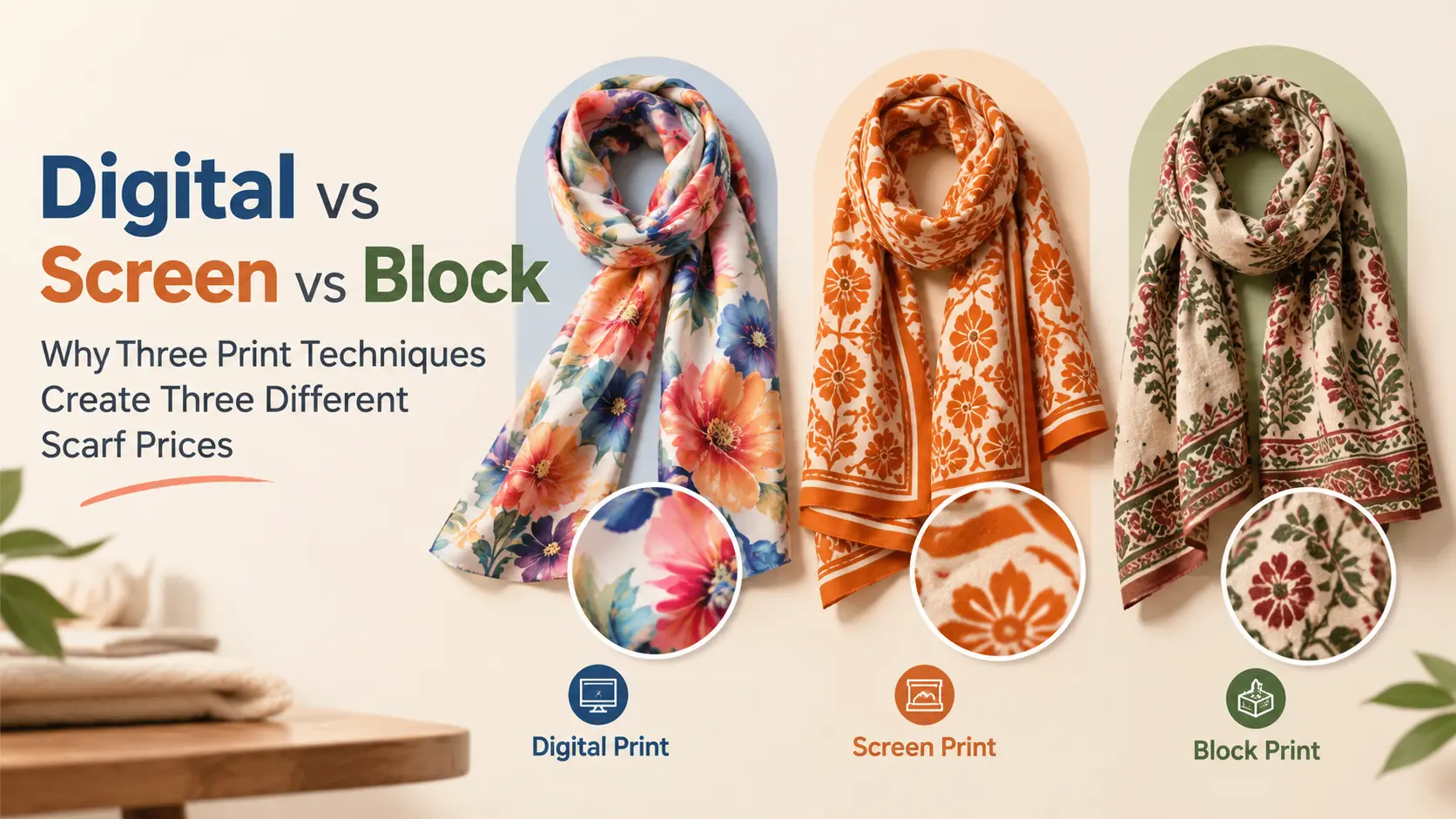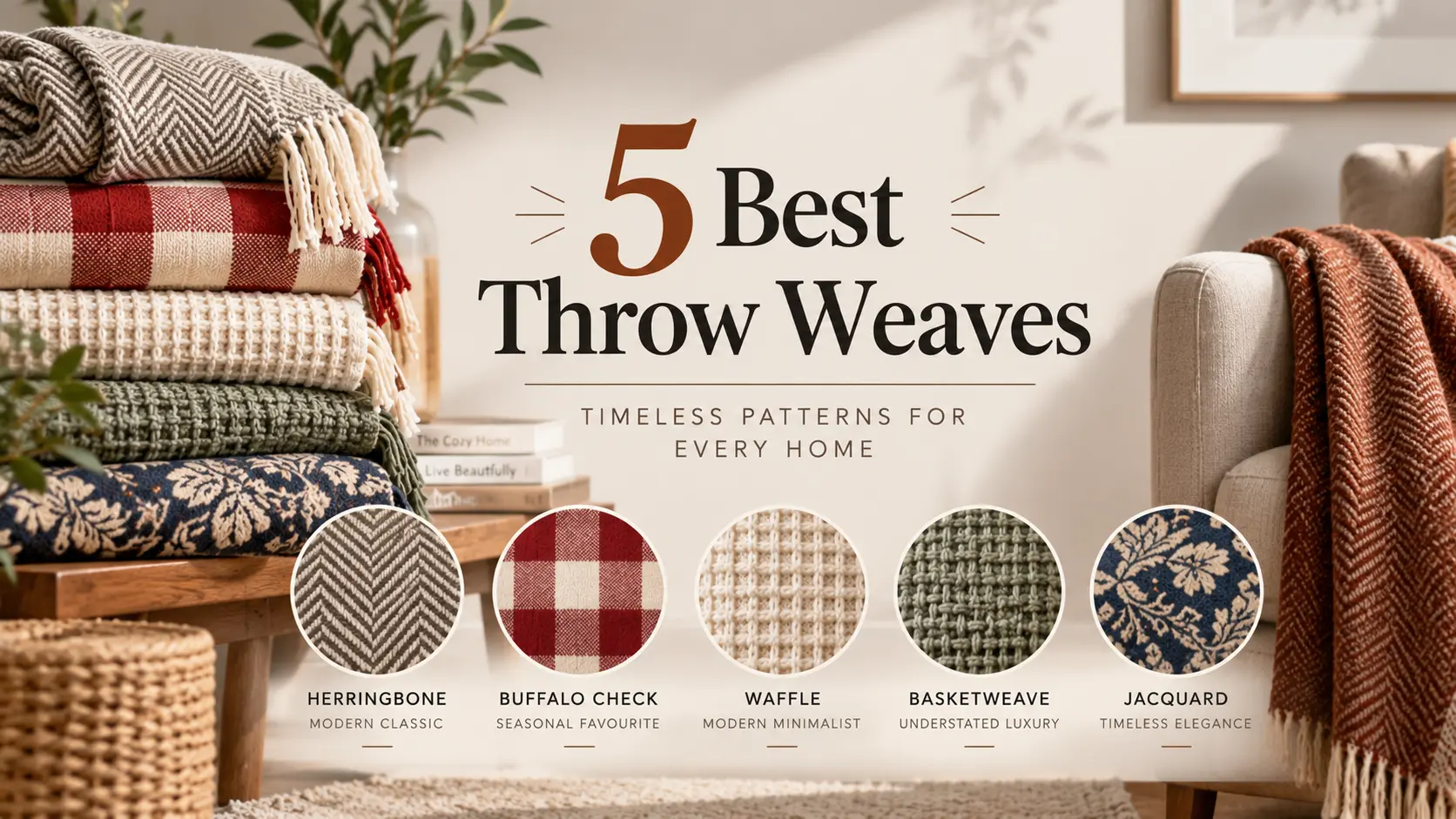
In a global marketplace filled with mass-produced products, handcrafted goods offer authenticity and distinction. Brands that bring artisanal quality to international audiences create stronger recognition and lasting connections.In physical settings, innovation can be demonstrated. Online, brands must clearly translate technical benefits into simple, relatable value.
What defines handcrafted goods?
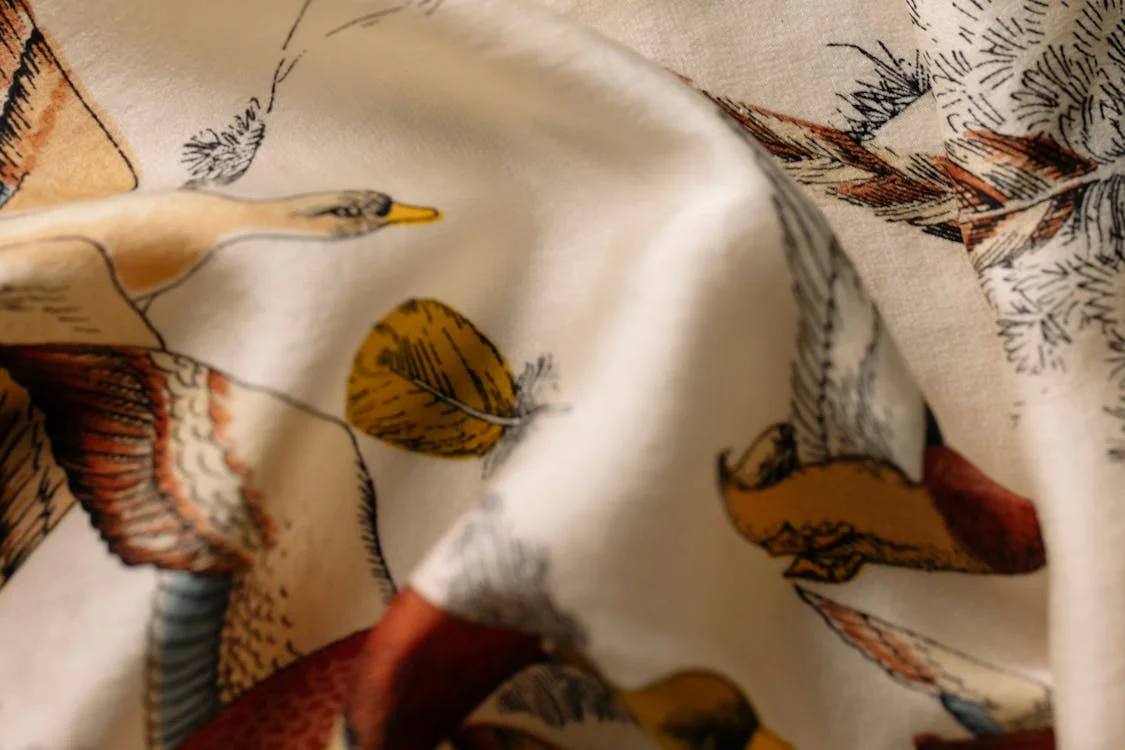
Handcrafted goods are shaped by skill, precision, and tradition. They are defined by manual techniques, attention to detail, natural materials, and cultural heritage. Each piece reflects individuality, making no two products exactly alike.In physical environments, craftsmanship is experienced firsthand. Online, brands must communicate texture, technique, and effort through thoughtful presentation.
Customers choosing handcrafted goods are not simply buying items. They are valuing craftsmanship, originality, and human touch.
Navigating global trade successfully
Global trade requires clarity and reliability. Transparent international shipping policies, customs guidance, protective packaging, and consistent delivery timelines build trust across borders.
For international customers and wholesale partners, dependable trade practices reinforce brand recognition and confidence.
Product pages that highlight authenticity
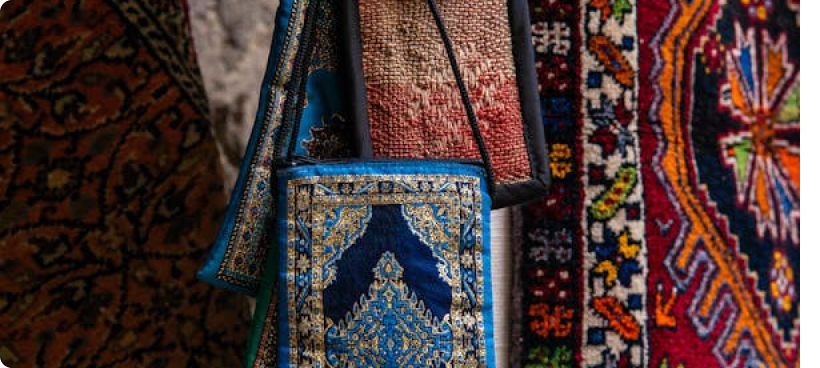
As consumers seek meaningful products, brands that stand out will honor craftsmanship while embracing global access. Recognition grows when authenticity meets reliability—combining human skill, clear communication, and seamless global trade.
Establishing a recognizable brand is not about volume, but about staying true while reaching the world.
Handcrafted products often involve time-intensive processes, artisan expertise, and small-batch production. E-commerce platforms should communicate these elements honestly and clearly.
Sections focusing on artisan stories, production methods, material sourcing, and care instructions help elevate products beyond price-driven comparison.