

Woven & Handwoven Shawls Wholesale India | Handwoven Shawls Supplier
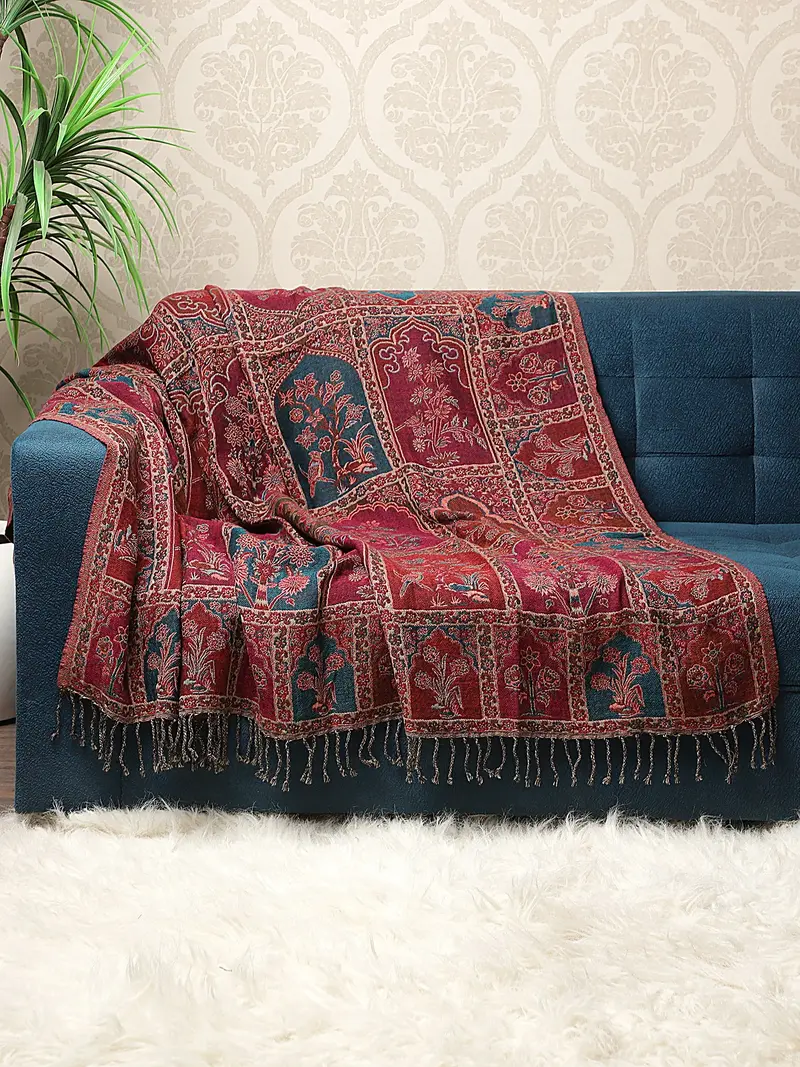
Bright Star has manufactured handwoven shawls in-house at its Okhla, New Delhi facility since 1991. A trusted supplier to fashion brands, boutiques, and wholesale buyers across Europe, the USA, and the Middle East — verified craft, genuine production, and end-to-end export handling.
Exporting To Countries
New Designs Every Season
MT Wool Manufactured Daily
Skilled Workforce
Our Clients
Featured across leading national news channels.














Collections Preview
Most reliable Wholesale Scarves & Shawls Suppliers in India for B2B buyers worldwide.


Why Buyers Choose Us?

Fast Communication

Timely Delivery

Competitive Cost

Quality Checked

Certified

Packing Solutions
Get in Touch
Share your requirements or reference designs with our team to begin a custom program.
Factory & Capabilities
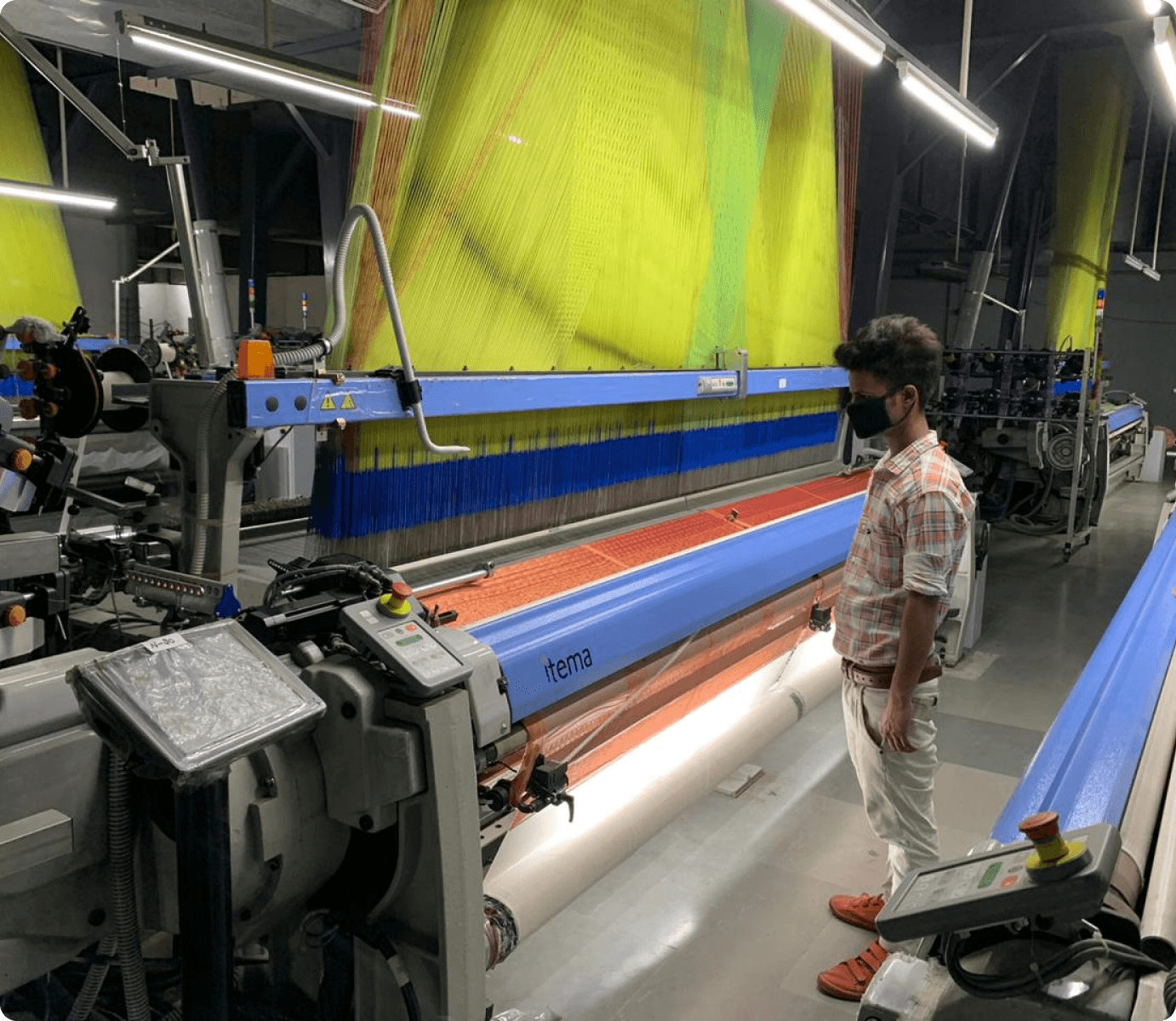
- Advanced in-house facilities managed by trusted shawl manufacturers in India.
- Strict quality control followed by leading wholesale shawl suppliers in India.
- Export-ready infrastructure built for a top silk scarf manufacturer in India.
- Reliable bulk production capacity as an experienced shawl and scarf manufacturer in India.
Our Export Markets
We supply products to buyers across multiple regions worldwide, with a strong presence in established and emerging markets.
Primary Markets:
Additional Markets:

Trust & Compliance
Committed to ethical manufacturing practices that respect people, processes, and the planet. We follow internationally recognised compliance standards to ensure fair working conditions, responsible sourcing, consistent quality, and transparency at every stage of production.


Handwoven shawls are not a commodity. They occupy a distinct and premium position in the global textile market, and buyers sourcing them from India need a supplier who can actually back up the “handwoven” claim with real production capability. Bright Star can. Manufacturing in-house at its Okhla, New Delhi facility since 1991, Bright Star is one of India’s most trusted handwoven shawls suppliers, working with fashion brands, boutiques, and wholesale buyers across Europe, the USA, and the Middle East. The craft is genuine. The production is verified. And the export process is handled end to end, so buyers spend their time selling, not chasing shipments.
India has been producing handwoven textiles for centuries. From the pashmina looms of Kashmir to the silk weaving clusters of Varanasi, the country has regional craft traditions that are globally recognized and commercially irreplaceable. For international buyers who understand what genuine handwoven production looks like, India remains the single most compelling sourcing destination in the world.
This guide covers what handwoven actually means in practical terms, the weaving techniques you will encounter when sourcing from India, the key regional clusters, and what to verify before placing a wholesale order with any supplier.
What Are Handwoven Shawls and Why Does It Matter for Wholesale Buyers?
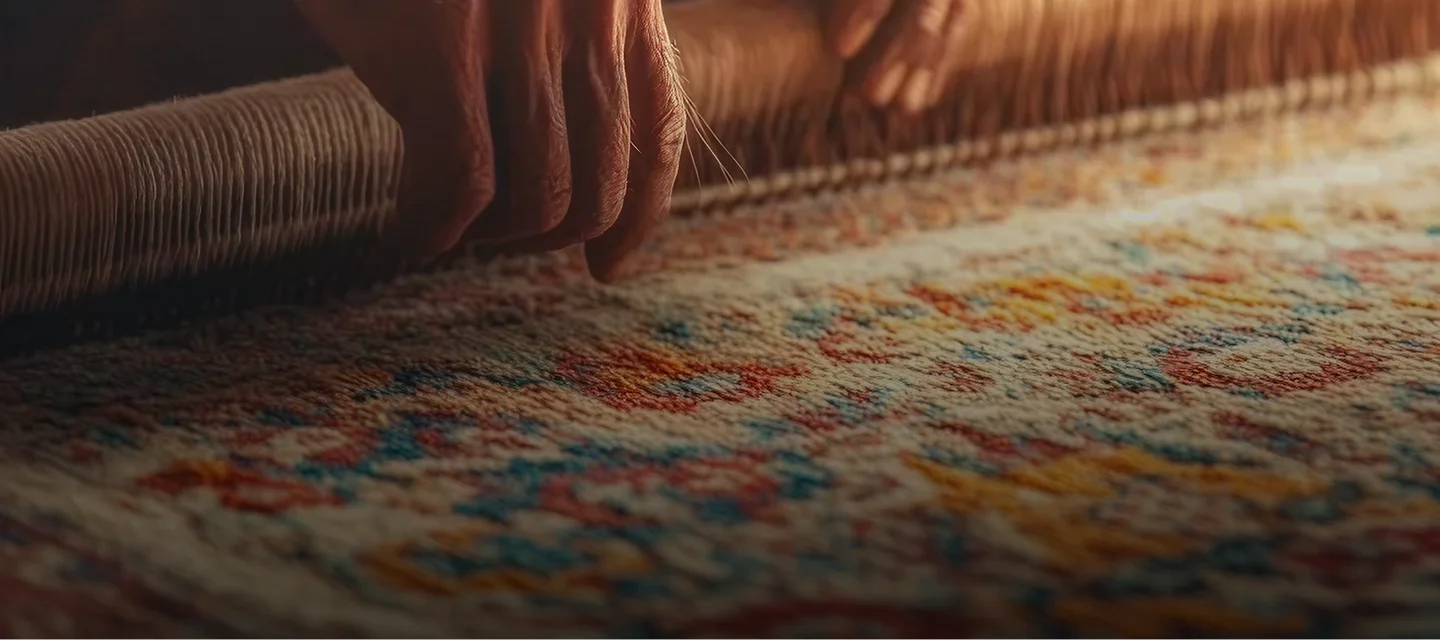
Handwoven means exactly what it says. The fabric is produced on a hand loom, operated manually by a skilled weaver, without the use of power-driven machinery. Every pass of the weft thread is controlled by human hands. The tension, the rhythm, the pattern, all of it is guided by the weaver’s skill and experience rather than a programmed machine.
This distinction matters commercially, not just aesthetically. Handwoven shawls command significantly higher retail price points than machine-made alternatives. They appeal to boutique buyers, heritage fashion labels, and brands positioning themselves in the premium or artisan segment of the market. They carry a provenance story that machine-made products simply cannot replicate, and in a retail environment where consumers increasingly want to know how and where their products are made, that story has real monetary value.
For wholesale buyers, working with a genuine artisan shawl manufacturer also means access to product differentiation. When your competitor is sourcing the same machine-woven shawl from the same directory listing, a verified handwoven product from a regional Indian craft cluster gives your brand something they do not have. Hand loom shawls from India are not just a product category. They are a positioning tool for brands that understand how to use them.
Handwoven vs Machine-Woven Shawls: Key Differences a Buyer Should Know
Most sourcing guides skip this comparison entirely. They should not. Understanding the practical trade-offs between handwoven and machine-woven shawls is essential for any buyer making a wholesale sourcing decision.
| Factor | Handwoven | Machine-Woven |
|---|---|---|
| Production method | Manual hand loom, operated by skilled weaver | Power loom or automated machinery |
| Texture and finish | Slightly irregular, natural variation, tactile depth | Uniform, consistent, smooth finish |
| Consistency | Natural variation between pieces | High consistency across large runs |
| Price per unit | Higher, reflects craft time and skill | Lower, reflects production efficiency |
| Minimum order quantity | Typically lower, suits boutique buyers | Higher MOQ standard for volume orders |
| Lead times | Longer, craft production cannot be rushed | Shorter, machine production scales faster |
| Retail positioning | Premium, artisan, heritage, sustainable | Mid-range to premium, fashion and volume |
The natural variation in handwoven shawls is worth addressing directly because it is the point buyers most often misunderstand. Slight differences in texture, weave density, or finish between individual pieces are not quality defects. They are the fingerprint of human craft. For boutique buyers and heritage labels, this variation is part of the product’s appeal. For buyers needing absolute uniformity across large woven wool shawl bulk orders, machine-woven is the more practical choice.
Bright Star works across both categories and advises buyers on the right production method for their specific product requirements and target market.
Weaving Techniques Used in Indian Shawls
When sourcing from India, buyers will encounter several distinct weaving techniques. Understanding each one helps you communicate clearly with suppliers and evaluate what you are actually being offered.
Jacquard Weaving
Jacquard is a machine-assisted weaving method that uses a programmed attachment to control individual warp threads, allowing complex, intricate patterns to be woven directly into the fabric. It is not fully handwoven in the traditional sense, but it is craft-intensive and produces a premium result that is distinctly different from basic power loom production.
Jacquard shawls are popular across wholesale markets because they combine visual complexity with production consistency. They are widely available from Indian manufacturers at genuine wholesale scale and are often confused with fully handwoven products by buyers who have not seen both side by side. If a supplier is offering jacquard and calling it handwoven, ask for clarification. The two are not the same.
Hand Loom Weaving
True hand loom production is the benchmark for handwoven authenticity. Each piece is woven manually on a traditional loom, with the weaver controlling every element of the process. This method is slower, more labor-intensive, and produces a result that carries the natural texture and slight variation that defines genuine artisan textile production.
For buyers sourcing for the boutique, heritage, or sustainable handwoven textiles segment, hand loom production is the standard they should be asking for and verifying. The Office of the Development Commissioner for Handlooms in India maintains certification and documentation frameworks for genuine handloom products, which gives buyers a reliable way to verify supplier claims before committing to an order.
Dobby and Plain Weave
Dobby weave uses a mechanical attachment on the loom to produce geometric patterns and textured surfaces without requiring the full complexity of a jacquard setup. It is one of the most common weave structures buyers encounter when sourcing mid-range to premium shawls at wholesale, and it produces a clean, structured pattern that works across a wide range of retail price points.
Plain weave is exactly what it sounds like: a simple over-under structure that produces a flat, clean fabric surface. It is the foundation of many everyday scarf and shawl products and works particularly well as a base for printed designs where the weave structure should not compete visually with the surface pattern. Both dobby and plain weave are available at wholesale scale from Indian manufacturers and are appropriate for buyers building mid-range collections.
Where to Source Handwoven Shawls in India: Key Regions
India’s handwoven shawl production is concentrated in specific regional clusters, each with its own weaving tradition, material specialization, and buyer profile. Knowing which region produces what helps buyers target their sourcing more precisely.
Kashmir is the starting point for any serious handwoven shawl sourcing conversation. The region holds a Geographical Indication tag for Kashmiri pashmina, and its hand-kani weaving tradition, where patterns are woven using small wooden spools rather than printed or embroidered, produces some of the most technically complex and commercially valuable textiles in the world. A pashmina handwoven shawl from Kashmir carries provenance that no other region can replicate. For luxury and boutique buyers, Kashmir is the first stop and often the only one they need.
Varanasi is India’s center for Banarasi weaving, producing rich silk and silk-blend shawls on traditional looms. The city’s weavers are known for intricate zari work and brocade patterns that have been in continuous production for centuries. Varanasi shawls are popular with buyers serving South Asian diaspora markets and luxury fashion labels looking for traditional Indian shawls with genuine cultural depth.
West Bengal has a strong tradition of tant and muslin weaving, producing lightweight, finely woven cotton and cotton-blend shawls and stoles. For buyers sourcing summer-weight or transitional season products, Bengal’s weaving clusters offer a quality and price point that works well for mid-range and fashion-forward retail.
Delhi and the NCR region functions differently from the craft clusters above. It is India’s primary design and export hub for handwoven textiles, connecting international buyers with regional production across all of the above clusters while adding design capability, export infrastructure, and quality control systems that individual craft cooperatives often cannot provide. Bright Star, based in Okhla Industrial Area, New Delhi, operates precisely within this model. Working with Bright Star gives international buyers access to India’s regional handwoven craft traditions through a single, export-experienced manufacturer who manages quality, documentation, and logistics at every stage.
What to Check When Sourcing Handwoven Shawls at Wholesale
The handwoven category is unfortunately one of the most misrepresented in Indian textile exports. Machine-made products are routinely labeled as handwoven, and buyers who do not know what to look for end up paying handwoven prices for machine-woven product. Here is what to verify before placing any wholesale order.
Verify the handwoven claim with documentation. Ask for handloom certificates or, where applicable, GI tag documentation. Genuine handloom producers in India can provide certification from the Office of the Development Commissioner for Handlooms. If a supplier cannot produce documentation, treat the handwoven claim with caution.
Understand and accept natural variation. A handwoven shawl will have slight differences between individual pieces. This is not a defect. Ask your supplier to explain their acceptable variation range and make sure it aligns with your retail positioning before production begins.
Clarify MOQ expectations upfront. Handwoven production cannot be scaled the way machine production can. MOQs for genuine handwoven shawls are typically lower than for machine-woven, but lead times are longer. Bright Star works with buyers to establish realistic production timelines based on the weaving technique and order volume specified.
Request pre-production samples. For handwoven products specifically, sampling is non-negotiable. The texture, weight, and finish of a handwoven shawl cannot be fully assessed from a product description or photograph. Any credible shawl exporter in India will provide samples before production is confirmed.
Confirm material specifications in writing. Whether you are sourcing wool, pashmina, silk, or a blend, get the fibre content, GSM, and any relevant certifications confirmed in writing before the order is placed. Bright Star provides full material specifications and certifications with every order as standard.
Assess export packaging capability. Handwoven shawls destined for retail need packaging that reflects their premium positioning. Confirm that your supplier can handle branded packaging, hang tags, and export-standard labeling as part of the order fulfillment process.
Conclusion
India’s handwoven shawl sector offers exceptional craft depth and commercial quality for brands and boutiques willing to source thoughtfully. The product category is premium by nature. But realizing that premium requires a supplier who can genuinely deliver it, with verified production, clear documentation, and the export experience to move orders reliably across international borders.
Bright Star, manufacturing in-house at Okhla, New Delhi since 1991, is that supplier. With a product range spanning handwoven and woven shawls across wool, pashmina, silk, and blended fabrics, and a direct export track record with buyers across Europe, the USA, and the Middle East, Bright Star is equipped to meet both the craft standards and the commercial requirements that serious wholesale buyers demand.
If you are looking for a reliable handwoven shawls supplier in India, explore Bright Star’s shawls range or contact the team directly to discuss your requirements and request samples.
Get in Touch
Share your requirements or reference designs with our team to begin a custom program.
Resources & Catalogues
For enquiries, quotations, or custom development discussions, feel free to reach out to our team. We take the time to understand your goals, challenges, and expectations, so we can suggest the right approach instead of a one-size-fits-all solution.