
Woolen Shawls Wholesale in India | Winter Shawls Manufacturer & Bulk Supplier
India’s centuries-old weaving traditions and premium wool regions make it the world’s top sourcing destination for woolen shawls. Bright Star, manufacturing in-house in New Delhi since 1991, supplies fashion brands and retailers across Europe, the USA, and the Middle East, from pashmina to merino, every order, on spec.
Exporting To Countries
New Designs Every Season
MT Wool Manufactured Daily
Skilled Workforce
Our Clients
Featured across leading national news channels.













Collections Preview
Most reliable Wholesale Scarves & Shawls Suppliers in India for B2B buyers worldwide.


Why Buyers Choose Us?

Fast Communication

Timely Delivery

Competitive Cost

Quality Checked

Certified

Packing Solutions
Get in Touch
Share your requirements or reference designs with our team to begin a custom program.
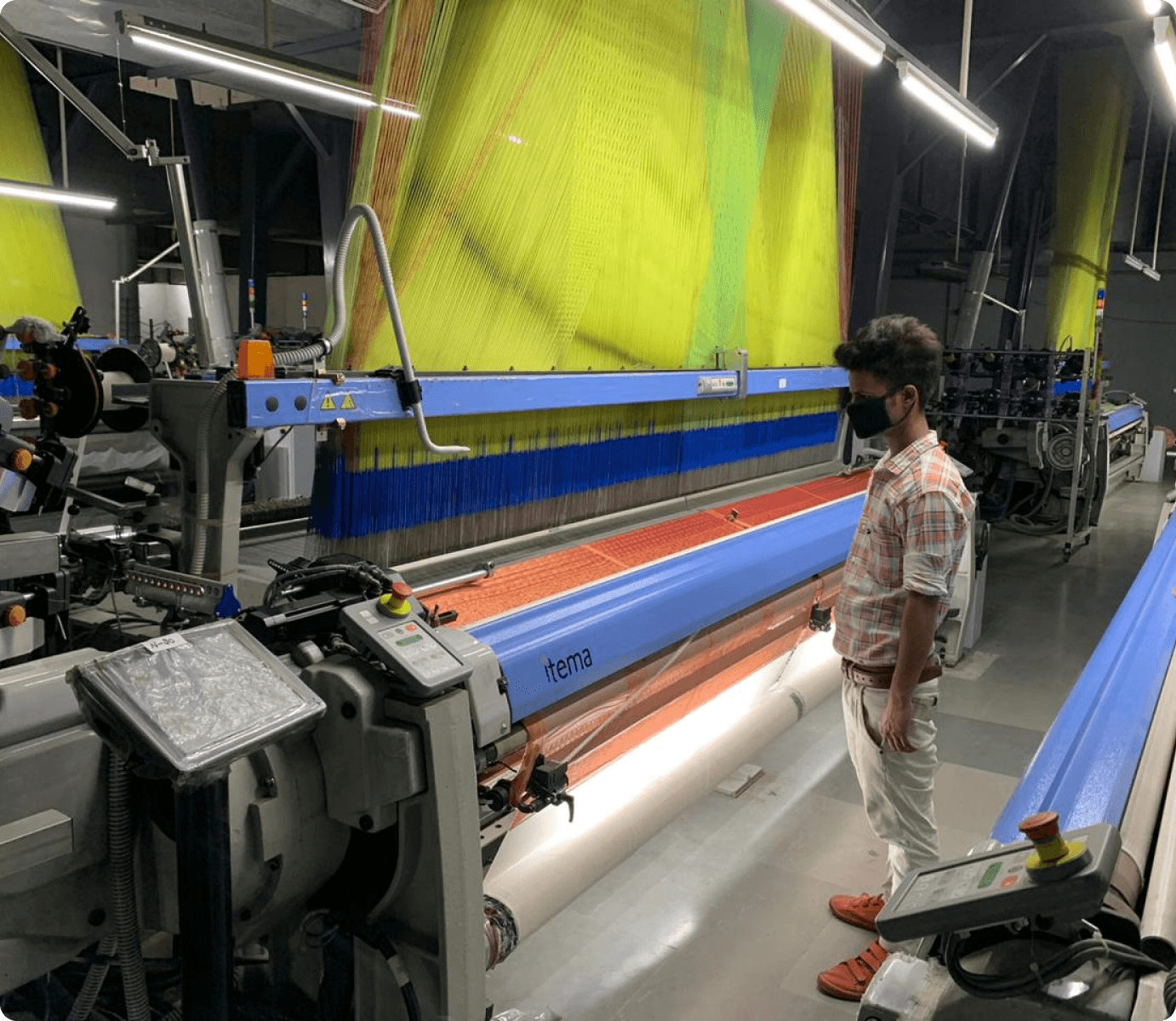
Factory & Capabilities
- Advanced in-house facilities managed by trusted shawl manufacturers in India.
- Strict quality control followed by leading wholesale shawl suppliers in India.
- Export-ready infrastructure built for a top silk scarf manufacturer in India.
- Reliable bulk production capacity as an experienced shawl and scarf manufacturer in India.
Our Export Markets
We supply products to buyers across multiple regions worldwide, with a strong presence in established and emerging markets.
Primary Markets:
Additional Markets:

Trust & Compliance
Committed to ethical manufacturing practices that respect people, processes, and the planet. We follow internationally recognised compliance standards to ensure fair working conditions, responsible sourcing, consistent quality, and transparency at every stage of production.


Winter shawls are one of the highest-demand categories in global wholesale fashion. And India, with its premium wool-producing regions, centuries-old weaving traditions, and established export infrastructure, remains the most compelling sourcing destination in the world for woolen shawls wholesale. Bright Star sits at the centre of that opportunity.
Manufacturing in-house at its Okhla, New Delhi facility since 1991, Bright Star supplies fashion brands, boutiques, and retail chains across Europe, the USA, and the Middle East with winter shawls that combine genuine craft quality with the production consistency that serious wholesale buyers demand. From premium pashmina to volume merino and lambswool, Bright Star delivers across the full range, on time and to specification, every order.
This guide covers everything international wholesale buyers need to know: the wool types you will encounter when sourcing from India, the key manufacturing regions, what to look for in a bulk supplier, and how to evaluate quality before committing to a large winter season order.
Why India Is a Premier Source for Wholesale Woolen Shawls
India’s relationship with wool textiles is geographical as much as it is cultural. The country’s northern and northwestern regions sit at high altitudes where some of the world’s finest wool-producing animals live. Kashmir produces pashmina from the Changthangi goat. Himachal Pradesh and Rajasthan have long traditions of working with natural mountain wool. This proximity to premium raw materials gives Indian wool shawl manufacturers a supply chain advantage that manufacturers in other countries simply cannot replicate.
Beyond raw materials, India has a deeply skilled artisan and manufacturing workforce. Generations of weavers, spinners, and finishers have built a level of craft expertise across the country’s wool textile clusters that takes centuries to develop. This is why international buyers continue to return to India for woolen shawl sourcing, not just because prices are competitive, but because the quality at that price point is genuinely hard to match elsewhere.
India is also one of the world’s most established textile exporters. As a shawl exporter, Bright Star has been navigating international shipping, customs documentation, and cross-border trade requirements since 1991. For buyers placing large winter season orders where timing is critical, that export experience is not a minor detail. It is the difference between stock arriving in time for the selling season and stock arriving after it.
Types of Wool Used in Indian Winter Shawls: What Buyers Need to Know
Not all wool is the same. When sourcing woolen shawls wholesale in India, buyers will encounter several distinct wool types, each with different characteristics, price points, and retail positioning. Understanding them before you start conversations with suppliers puts you in a significantly stronger negotiating and evaluation position.
| Wool Type | Source Region | Warmth Level | Price Tier | Best Suited For |
|---|---|---|---|---|
| Pashmina | Ladakh, Kashmir | Very high | Ultra-premium | Luxury boutiques, heritage brands |
| Merino Wool | Imported / blended | High | Mid-premium | Fashion retail, volume buyers |
| Lambswool | Domestic / imported | Medium-high | Mid-range | Catalogue brands, department stores |
| Shahtoosh | Protected, not sourceable | Exceptional | N/A | Not available for commercial trade |
| Wool-Acrylic Blend | Multiple regions | Medium | Entry-mid | Budget wholesale, mass retail |
Pashmina
Pashmina is the benchmark for premium winter shawls sourced from India. The fibre comes exclusively from the fine undercoat of the Changthangi goat, native to the high-altitude Ladakh plateau in northern India. 100% pashmina means the shawl is woven entirely from this fibre, with no blending or synthetic addition. The fibers typically measure between 12 and 16 microns in diameter, making them finer than most cashmere and producing a fabric that is extraordinarily soft, lightweight, and warm simultaneously.
The Geographical Indication tag for Kashmiri pashmina is a critical reference point for wholesale buyers. It certifies that the product was made in Kashmir using authentic techniques and genuine pashmina fibre. For boutique buyers and luxury brand buyers sourcing on provenance, this certification is non-negotiable and should be requested from any supplier claiming to sell genuine pashmina.
Merino Wool
Merino is the workhorse of the premium wholesale wool market. It is widely sourced, consistently available, and produces a soft, fine-textured shawl that performs well across a broad range of retail price points. Merino fibers typically measure between 15 and 24 microns, making them significantly softer than standard wool and suitable for skin-contact wear without irritation.
The Woolmark certification is the quality benchmark buyers should ask for when sourcing merino products. It guarantees that the wool meets defined standards for fibre quality and product performance. For volume buyers and fashion retail chains sourcing winter shawls at scale, merino is the most reliable and commercially practical wool category available from Indian manufacturers.
Shahtoosh and Fine Lambswool
Shahtoosh, historically known as the king of wools, comes from the Tibetan antelope, or chiru. It produces an extraordinarily fine and warm fibre that was once the most prized textile in luxury fashion. However, the chiru is a protected species under the Convention on International Trade in Endangered Species (CITES), and trade in shahtoosh is now completely banned internationally. Buyers should be aware of this clearly. Any supplier offering shahtoosh for commercial sale is operating illegally, and purchasing it exposes buyers to serious legal and reputational risk.
Lambswool is the commercially available premium alternative that sits closest to shahtoosh in terms of softness and warmth among accessible wool categories. It comes from the first shearing of young sheep, producing a finer, softer fibre than standard wool. It is widely used in mid-range to premium winter shawl production across India and is a practical choice for buyers who want a genuinely warm, soft product without the price premium of pashmina or merino.
Key Manufacturing Regions for Woolen Shawls in India
India’s woolen shawl production is geographically concentrated. Different regions specialize in different wool types, weaving techniques, and price points. Understanding which region produces what saves buyers significant time and money in the early stages of sourcing.
Kashmir
Kashmir is India’s most celebrated region for premium woolen shawls and the natural starting point for any buyer sourcing at the luxury or boutique end of the market. The region produces pashmina, kani-woven shawls, and hand-embroidered pieces that have no equivalent anywhere else in the world. Kashmiri shawls command premium pricing because the production process is genuinely labor-intensive. A single kani shawl can take months to complete on a traditional loom.
For buyers sourcing Kashmiri woolen shawls, the GI tag is the most reliable authenticity marker available. Genuine Kashmiri products should come with documentation from the authorized certification body. This is particularly important because the market for counterfeit Kashmiri shawls is substantial. Always verify before committing to volume.
Ludhiana and Punjab
Ludhiana is India’s largest knitwear and wool manufacturing hub and the most important sourcing region for buyers who need consistent woolen shawl bulk supply at competitive mid-range pricing. The city has a dense concentration of mills producing machine-knit woolen shawls, wool-acrylic blended throws, and volume winter accessories at a production scale that craft-focused regions cannot match.
For retail chains and wholesale distributors who need large, consistent orders delivered on predictable timelines, Ludhiana is the practical choice. Quality is strong at the mid-range price tier, and the city’s manufacturing infrastructure is well set up for export-scale orders.
Himachal Pradesh
Himachal Pradesh is known for traditional handwoven Kullu shawls, produced using geometric patterns on traditional looms with natural mountain wool. These shawls have a distinctive visual identity rooted in the region’s cultural heritage, and they carry an artisan provenance that appeals strongly to boutique buyers and brands positioning in the ethical or sustainable sourcing segment.
Kullu shawls are heavier and more textured than pashmina, making them particularly suited for cold-weather markets. For buyers building a heritage or craft-focused winter shawl range, Himachal Pradesh offers a product that is genuinely differentiated and difficult to replicate in a mainstream manufacturing setting.
Jaipur and Rajasthan
Rajasthan brings a different angle to woolen shawl sourcing. The region is known for embroidered and printed woolen shawls that combine warmth with decorative craft, making them popular with fashion-forward buyers and catalogue brands sourcing winter shawls that need to stand out visually on the shelf or online.
Jaipur’s block printing and embroidery traditions add a design dimension to woolen shawls that pure weaving regions do not offer. For buyers whose winter shawl range needs colour, pattern, and visual impact alongside warmth, Rajasthan is worth including in any serious sourcing evaluation.
What to Look for in a Wholesale Winter Shawl Manufacturer
Evaluating a winter shawls bulk supplier requires more than checking a product catalogue. Here is what buyers should assess before placing any wholesale order.
In-house manufacturing capability: Does the supplier own and operate their production facility, or are they sourcing from third-party factories? In-house manufacturing means direct quality control at every stage. Bright Star manufactures entirely in-house at its Okhla facility, covering fabric selection, production, finishing, and export packaging under one roof.
Fibre purity verification: For premium wool categories, fibre purity claims must be backed by documentation. Ask for fibre content certification specifying the exact percentage of each material in the shawl. For pashmina specifically, request GI tag documentation. For merino, ask for Woolmark certification or equivalent. If a supplier cannot provide documentation, the fibre claim should be treated as unverified.
GSM and warmth specifications: GSM, or grams per square metre, tells you how heavy and dense the fabric is. For winter shawls, a higher GSM indicates more warmth and substance. Always ask for the GSM specification before sampling. A supplier who cannot provide this number does not have adequate quality control systems in place.
Seasonal lead times: Winter shawl sourcing has hard deadlines. Orders that miss the selling season have no value. Confirm production timelines at the inquiry stage and get written commitment on delivery dates. Bright Star provides confirmed lead times at the point of order, typically ranging from three to six weeks depending on order volume and customization level.
Sampling process: Pre-production samples are non-negotiable for winter shawl sourcing. Warmth, texture, and weight cannot be assessed from photographs or descriptions. Any credible manufacturer will provide samples before production is confirmed. Be cautious of suppliers who charge disproportionately for samples or are reluctant to provide them.
Export documentation capability: Verify that your supplier has direct export experience with your target country. This includes understanding import duty classifications, labeling requirements, and customs documentation. A supplier who has never exported to your market before will create delays that a more experienced partner would avoid entirely.
MOQ flexibility: For winter shawls wholesale buyers at different scales, MOQ flexibility matters. Bright Star works with buyers from 500 units for standard products, scaling to 50,000 units and beyond for established wholesale partnerships, making it a practical partner for both growing brands and large distributors.
FAQs
Which city is famous for woolen shawls?
Srinagar in Kashmir is India’s most internationally recognized city for premium woolen shawls, particularly pashmina and hand-embroidered pieces. Ludhiana in Punjab is the largest hub for wool shawl production at volume. Kullu in Himachal Pradesh is known for traditional handwoven wool shawls with distinctive geometric patterns.
Which shawl is best for winter?
For maximum warmth and luxury, pure pashmina is the benchmark. It is lighter than regular wool but significantly warmer, making it ideal for cold climates. For mid-range winter warmth, fine merino or lambswool shawls offer excellent performance at a more accessible price point. The right choice depends on your target retail price and market positioning.
What is 100% pashmina made of?
100% pashmina is made entirely from the fine undercoat fibre of the Changthangi goat, native to the high-altitude Ladakh plateau in northern India. The fibres are typically between 12 and 16 microns in diameter, finer than most cashmere, producing a fabric that is exceptionally soft, lightweight, and warm. Genuine 100% pashmina should always come with fibre content certification.
Which brand is best for shawls?
For wholesale sourcing, the most important factor is not brand name but manufacturer credibility. Bright Star, manufacturing in-house at Okhla, New Delhi since 1991, is one of India’s most trusted woolen shawl suppliers for international B2B buyers. The company supplies fashion brands and wholesale distributors across Europe, the USA, and the Middle East with consistent quality and reliable timelines.
Which shawl is known as the king of wool?
Shahtoosh has historically been called the king of wools due to its extraordinary fineness and warmth. However, shahtoosh comes from the Tibetan antelope, a protected species under CITES, and its trade is completely banned internationally. It is not available for commercial sourcing. Pashmina is the premium alternative that is both legal and commercially available, and it is widely regarded as the finest sourceable wool in the world.
Which wool brand is best in India?
For wholesale buyers, the relevant question is which manufacturer can deliver verified fibre quality consistently at scale. Look for suppliers who can provide Woolmark certification for merino products, GI tag documentation for Kashmiri pashmina, and clear GSM specifications for all wool categories. Bright Star provides full material documentation with every order as standard.
Which shawl is costly?
The Kani shawl from Kashmir is among the most expensive shawls produced in India. A single piece woven on a traditional kani loom can take several months to complete and commands prices that reflect that investment. Hand-embroidered Sozni shawls from Kashmir are similarly priced. For wholesale buyers, pure pashmina shawls represent the premium end of a commercially viable product range.
How do you identify an original Kashmiri shawl?
There are several reliable markers. First, request GI tag documentation from the supplier, as genuine Kashmiri pashmina carries a certification from the authorized body. Second, feel the texture: genuine pashmina is extraordinarily soft and light, with a warmth that synthetic imitations cannot replicate. Third, a ring test is sometimes used, where a genuine pashmina shawl can be passed through a finger ring due to its fineness. Fourth, burn a small fiber: genuine wool burns slowly and smells like burnt hair, while synthetic fibers melt and smell like plastic. For wholesale buyers, documentation is the most reliable verification method.
Which fabric is best for a shawl?
The best fabric depends on your intended use and retail price point. For luxury winter shawls, 100% pashmina is the global benchmark. For premium mid-range winter warmth, merino wool or lambswool are strong choices. For fashion scarves and lightweight shawls, mulberry silk or silk blends perform best. For everyday mid-range products, fine wool or wool-cotton blends offer a practical balance of warmth, durability, and price.
Conclusion
India’s woolen shawl sector offers wholesale buyers an unmatched combination of premium raw materials, regional craft expertise, and manufacturing scale. From the pashmina looms of Kashmir to the volume wool mills of Ludhiana and the artisan workshops of Himachal Pradesh, the sourcing depth available in India is genuinely difficult to find anywhere else in the world.
The right manufacturer will combine in-house production capability, verifiable fibre quality, and the export experience to deliver large winter season orders on time and to specification. Bright Star, manufacturing at Okhla, New Delhi since 1991, does exactly that. With a product range spanning pashmina, merino, lambswool, and blended winter shawls, and a direct export track record with buyers across Europe, the USA, and the Middle East, Bright Star is the wholesale partner your brand can build a long-term winter shawl programme around.
If you are sourcing winter shawls in bulk for your brand or boutique, explore Bright Star’s shawls and throws range or contact the team directly to discuss your requirements and request samples.
Get in Touch
Share your requirements or reference designs with our team to begin a custom program.
Resources & Catalogues
For enquiries, quotations, or custom development discussions, feel free to reach out to our team. We take the time to understand your goals, challenges, and expectations, so we can suggest the right approach instead of a one-size-fits-all solution.