

Pashmina Shawls Manufacturer in India | Cashmere and Pashmina Shawls Wholesale Supplier
Bright Star is one of India’s most established pashmina shawl manufacturers, trusted by fashion retailers, luxury boutiques, and wholesale buyers across Europe, the USA, the Middle East, and Australia. Unlike suppliers who overpromise, Bright Star consistently delivers the right quality, quantity, and timelines, making them the ideal B2B sourcing partner for international buyers.
Exporting To Countries
New Designs Every Season
MT Wool Manufactured Daily
Skilled Workforce
Our Clients
Featured across leading national news channels.














Collections Preview
Most reliable pashmina shawl manufacturer in India for B2B buyers worldwide.

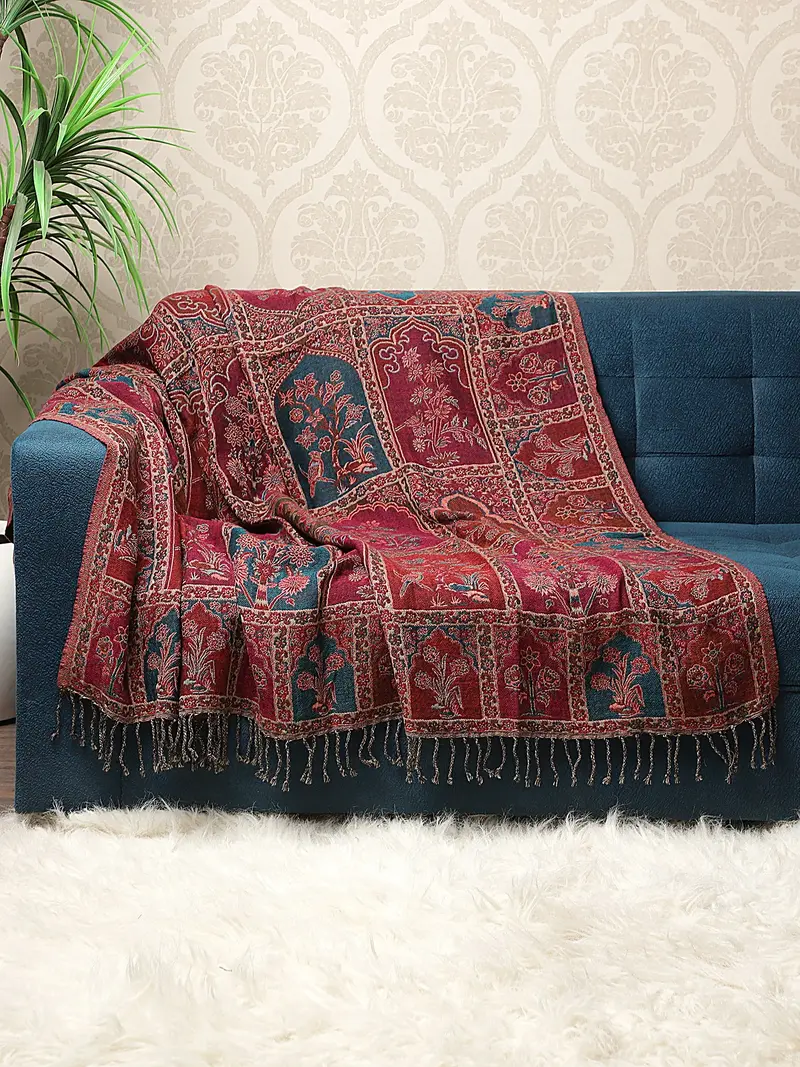

Why Buyers Choose Us?

Fast Communication

Timely Delivery

Competitive Cost

Quality Checked

Certified

Packing Solutions
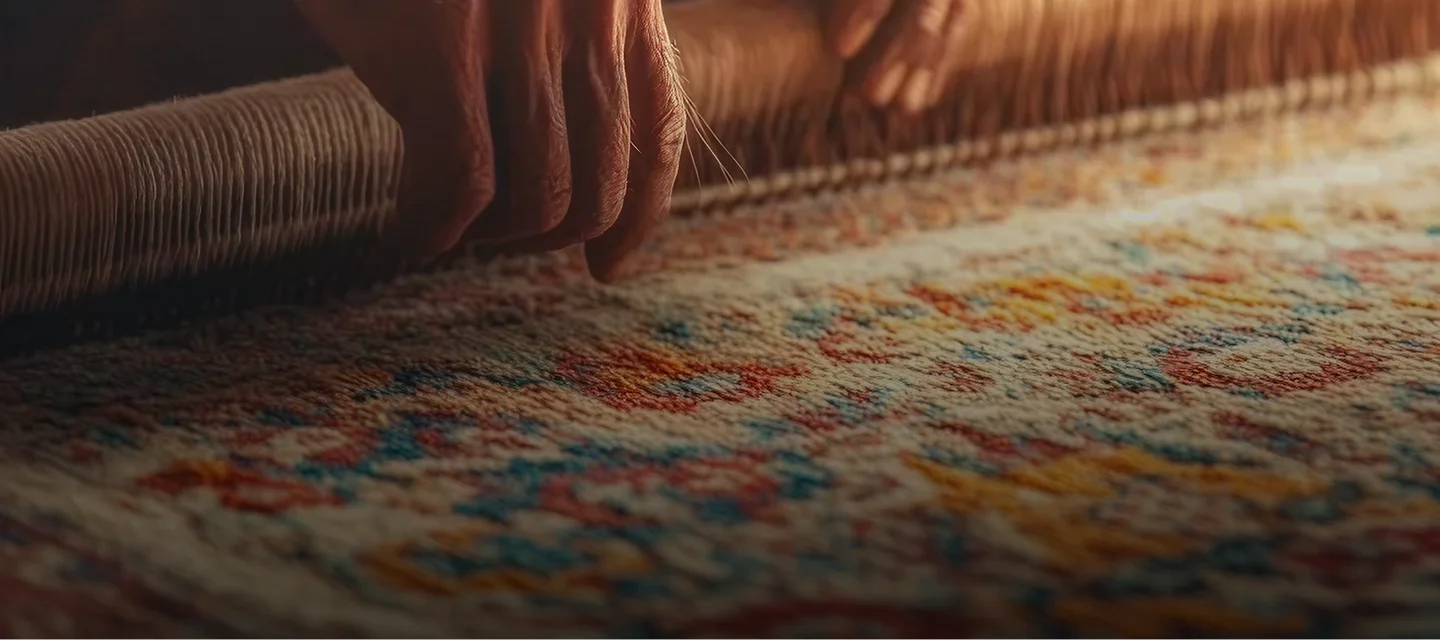
Get in Touch
Share your requirements or reference designs with our team to begin a custom program.
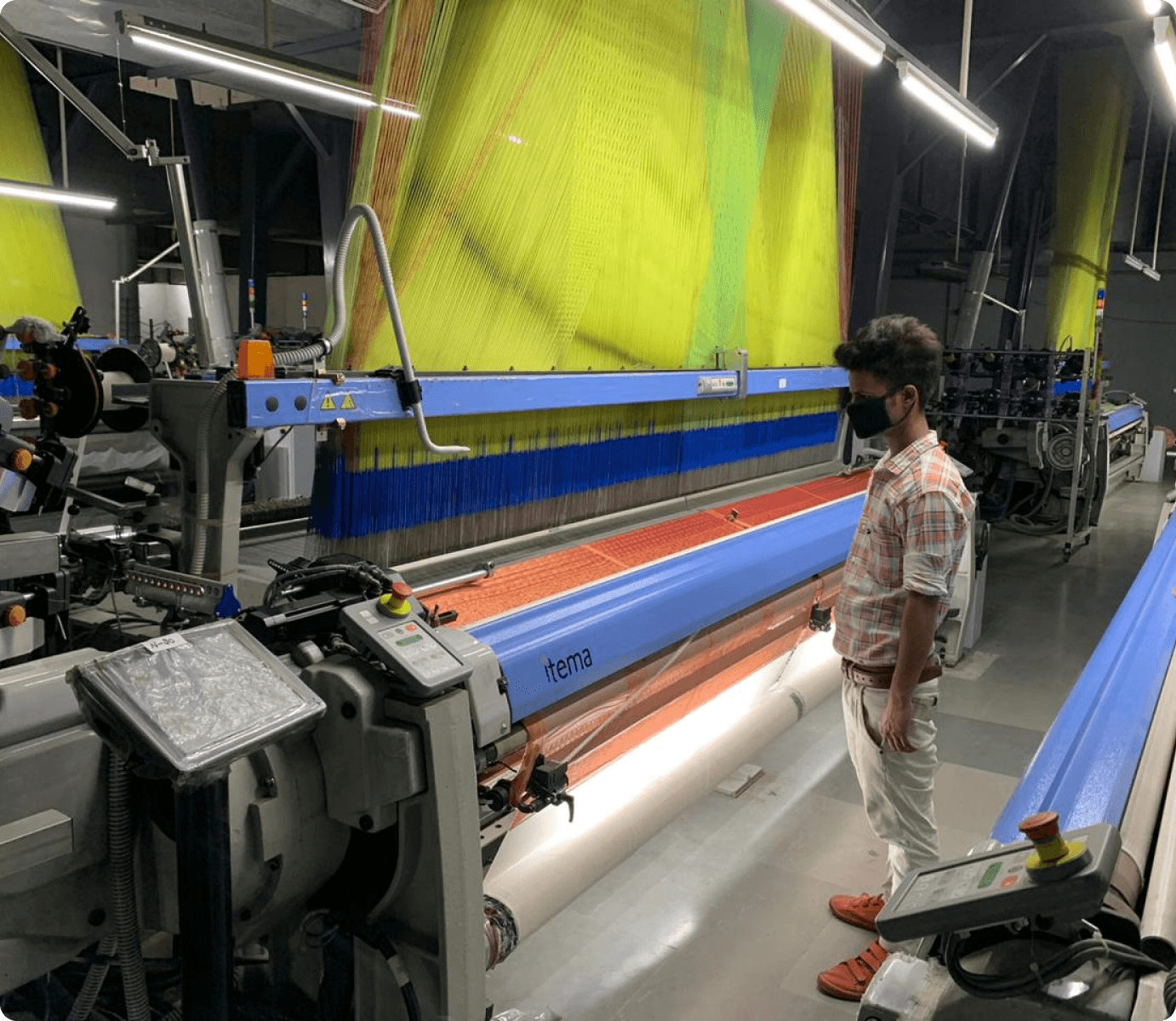
Factory & Capabilities
- Advanced in-house facilities managed by trusted shawl manufacturers in India.
- Strict quality control followed by leading wholesale shawl suppliers in India.
- Export-ready infrastructure built for a top silk scarf manufacturer in India.
- Reliable bulk production capacity as an experienced shawl and scarf manufacturer in India.
Our Export Markets
We supply products to buyers across multiple regions worldwide, with a strong presence in established and emerging markets.
Primary Markets:
Additional Markets:

Trust & Compliance
Committed to ethical manufacturing practices that respect people, processes, and the planet. We follow internationally recognised compliance standards to ensure fair working conditions, responsible sourcing, consistent quality, and transparency at every stage of production.


If you are looking for a reliable pashmina shawls manufacturer in India, you are in the right place. India, and specifically the Kashmir valley, has been producing some of the finest pashmina shawls in the world for centuries. These shawls are not just fabric. They are a product of skill, patience, and a tradition that has been passed down through generations.
Whether you are a fashion retailer, a luxury boutique owner, or a wholesale buyer, understanding how Indian pashmina manufacturers work will help you make smarter sourcing decisions.
What Exactly Is Pashmina?
Pashmina is a type of fine fiber. It comes from the soft undercoat of the Changthangi goat, a breed native to the high-altitude regions of Ladakh in northern India. This goat lives in extreme cold, and its undercoat grows thick and fine to protect it. That undercoat is what we call pashmina.
Think of it this way. If regular wool is a cotton t-shirt, pashmina is a feather-light silk that still keeps you warm. It is incredibly soft, light in weight, and naturally insulating. No synthetic material comes close to replicating it.
Pashmina is often used interchangeably with cashmere, and they come from the same animal family. However, pure pashmina is finer than standard cashmere. The fiber diameter of genuine pashmina is typically 12 to 15 microns. That is thinner than a strand of human hair. This is what gives pashmina shawls their signature softness.
Why Pashmina Shawls Are In High Demand Globally
The demand for handmade pashmina shawls from India has grown steadily over the years. European fashion houses, Middle Eastern luxury retailers, and North American boutiques are all regular buyers. But why?
Softness you can feel. The first time someone holds a genuine pashmina shawl, they immediately understand the difference. There is nothing rough or scratchy about it. It feels like holding a cloud.
Warmth without bulk. A pashmina shawl is thin enough to fold into a small pouch but warm enough to replace a jacket in mild cold. For travelers and fashion-conscious buyers, that is a major selling point.
Timeless style. Pashmina shawls work equally well at a formal dinner or wrapped casually over a jacket. They are not trend-driven products. They sell year-round.
And here is something B2B buyers appreciate most: pashmina shawls carry high perceived value. Customers are willing to pay a premium. That margin matters for retailers.
Types of Pashmina Shawls Manufactured in India
Indian manufacturers produce several types of pashmina shawls. Each type serves a different market segment.
Pure Pashmina Shawls
These are made from 100% authentic pashmina fiber, with no blending. They are the most premium product in the category. As a pure pashmina shawls manufacturer, Indian suppliers take pride in maintaining fiber purity standards. These shawls are typically sold in high-end retail stores and gifting markets.
Cashmere Pashmina Shawls
A blend of cashmere and pashmina, these shawls offer softness along with added durability. They are slightly more affordable than pure pashmina and are popular in wholesale supply chains. The blend makes them easier to care for and better suited for everyday use.
Embroidered Kashmiri Pashmina Shawls
This is where Indian craftsmanship truly stands out. Kashmiri artisans have mastered multiple embroidery styles over centuries. The most well-known include Sozni embroidery, which uses fine needle work to create intricate floral patterns, Jamawar patterns, which are woven directly into the shawl fabric, and Aari embroidery, which uses a hooked needle to create rich, detailed designs.
A single embroidered shawl can take weeks or even months to complete. That level of effort is reflected in the final product. For Kashmiri pashmina shawls wholesale buyers, embroidered pieces carry the highest retail markups.
Printed Pashmina Shawls
These use digital or screen-printing techniques to apply designs onto the fabric. They are more affordable and faster to produce. Many fashion retailers use printed pashmina shawls for seasonal collections and trendy designs.
How Pashmina Shawls Are Made: Step by Step
Understanding the production process helps buyers appreciate the value they are getting. It also helps you ask the right questions when sourcing from a pashmina shawl supplier in India.
Step 1: Fiber Collection
During spring, the Changthangi goat naturally sheds its undercoat. Farmers and herders collect this fiber by hand combing. It is a gentle process that does not harm the animal. A single goat yields only about 100 to 200 grams of usable fiber per year. That is why genuine pashmina is expensive.
Step 2: Hand Spinning
The collected fiber is cleaned and then spun into fine yarn. This is done by hand, often by women in rural Kashmir. The yarn is extremely delicate and requires a light, steady touch.
Step 3: Weaving on Traditional Looms
Artisans weave the yarn on traditional wooden handlooms. This process is slow and deliberate. The weaver controls every thread. Machine weaving cannot replicate the texture and feel of handwoven pashmina.
Step 4: Dyeing
Most manufacturers use natural or eco-friendly dyes. Colors are applied carefully to maintain the softness of the fiber. Natural dye processes also result in richer, deeper tones that synthetic dyes cannot match.
Step 5: Embroidery and Finishing
Once woven, the shawl moves to skilled embroiderers. Designs are stitched by hand using traditional patterns. The finishing process includes checking every shawl for quality, trimming loose threads, and sometimes adding fringe borders.
Every shawl that comes out of this process is essentially a handmade piece. No two are exactly alike.
Why India Dominates Global Pashmina Manufacturing
India is not just a manufacturer. It is the origin of authentic pashmina. And that matters.
Centuries of artisan knowledge. Kashmiri weavers have been perfecting their craft for over 500 years. This knowledge lives in the hands of craftsmen and cannot be taught in a factory training program.
Access to raw materials. The Changthangi goat is native to the Ladakh region of India. Indian manufacturers have direct access to the finest raw fiber. Other countries that produce pashmina-like products are often working with imported or inferior fiber.
Established export infrastructure. India has a strong network for pashmina shawls export. Manufacturers in Srinagar, Jammu, and Delhi have years of experience shipping to Europe, the USA, the Middle East, and Southeast Asia. Customs documentation, quality checks, and packaging are all well understood.
Competitive pricing. Despite the premium quality, Indian manufacturers offer competitive wholesale pricing compared to similar products from European markets. This gives B2B buyers strong margins.
Wholesale and Bulk Supply of Pashmina Shawls
For businesses looking to source pashmina shawls wholesale, Indian manufacturers offer flexible options. Whether you need 50 pieces or 5,000, most suppliers can accommodate the order.
Common wholesale buyers include fashion retailers who need seasonal stock, luxury boutiques that carry curated collections, e-commerce businesses that sell premium textiles online, and corporate gifting companies that source high-value bulk gifts.
Most manufacturers offer tiered pricing. The more you order, the lower the per-unit cost. Lead times vary depending on the type of shawl. Plain and printed shawls have shorter production timelines. Embroidered pieces take longer because of the handwork involved.
Custom Pashmina Shawl Manufacturing
One of the biggest advantages of working with Indian manufacturers is the ability to customize. A good cashmere shawls manufacturer will offer a range of customization options.
You can request specific embroidery designs based on your brand aesthetic. You can add your own brand label to each shawl. You can choose custom packaging, whether that is a gift box, a cloth pouch, or a branded wrapper. You can also specify fiber blends, choosing the exact ratio of pashmina to silk or cashmere depending on your target price point.
Custom orders work especially well for brands that want a signature product. If you want something exclusive that competitors cannot copy, working directly with an Indian manufacturer is the right approach.
How to Identify Genuine Pashmina
Not all shawls labeled as “pashmina” are authentic. This is a real problem in the wholesale market. Here is how to spot genuine pashmina.
Fiber test. Burn a small thread. Genuine pashmina burns like hair, slowly, with a slight smell. Synthetic fibers melt or burn fast.
Touch test. Real pashmina is soft and slightly warm to the touch. It does not feel slippery or plasticky.
Weight test. A genuine pashmina shawl is light. If it feels heavy for its size, it is likely blended with thicker wool.
Certification tags. Reputable Indian manufacturers often provide certification of authenticity. Ask for this when placing wholesale orders.
How to Choose the Right Pashmina Shawl Supplier in India
Choosing the right pashmina shawl supplier in India requires some research. Here are a few practical tips.
Check their export history. Suppliers with years of international experience understand quality standards and shipping requirements better.
Request samples before placing a bulk order. A genuine manufacturer will not hesitate to send samples. This is standard practice.
Verify their production setup. Do they have in-house weavers and embroiderers? Or are they middlemen buying from smaller artisans? Both models exist, but knowing which one you are dealing with helps you manage expectations on lead times and pricing.
Ask about quality control processes. How do they check for defects? What is their rejection rate? A transparent supplier is a trustworthy one.
Caring for Pashmina Shawls
For retailers selling pashmina shawls, sharing care instructions adds value and reduces returns.
Always dry clean pashmina shawls. Avoid putting them in a washing machine. The agitation damages the fine fiber. Store them in breathable cloth bags, not plastic. Plastic traps moisture and can damage the fabric over time. Keep them away from direct sunlight for long periods, as this fades color. Use cedar blocks or anti-moth sachets during storage to protect against insect damage.
Proper care extends the life of a pashmina shawl significantly. A well-maintained shawl can last decades.
Final Thoughts
India is, without question, a leading destination for authentic pashmina shawl manufacturing. The combination of heritage craftsmanship, access to high-quality raw materials, and a mature export infrastructure makes Indian suppliers a preferred choice for global buyers.
Whether you need pure pashmina shawls, embroidered Kashmiri pieces, or cashmere blends in bulk, India has the manufacturing capacity and the expertise to deliver.
For B2B buyers, the opportunity is clear. Work directly with a trusted pashmina shawls manufacturer in India, invest in quality, and offer your customers a product that has genuine value. That is a business model that holds up over time.
Get in Touch
Share your requirements or reference designs with our team to begin a custom program.
Resources & Catalogues
For enquiries, quotations, or custom development discussions, feel free to reach out to our team. We take the time to understand your goals, challenges, and expectations, so we can suggest the right approach instead of a one-size-fits-all solution.