Choosing between a woolen shawl and a silk shawl is not always straightforward. Both look premium. Both feel luxurious in their own way. But they serve very different purposes, and picking the wrong one can leave you uncomfortable, overdressed, or underprepared for the weather.
This guide breaks down everything you need to know. Fabric, warmth, price, styling, seasonal use, and care. By the end, you will know exactly which shawl suits your needs, and what to look for when buying from a manufacturer or supplier.
What Is a Woolen Shawl?
A woolen shawl is made from animal-based fiber. The most common sources are sheep wool, cashmere from the Changthangi goat, and merino from fine-wool sheep. The primary purpose of a woolen shawl is warmth.
Wool fibers have a natural crimp to them. That crimp traps air between the fibers, and trapped air is what keeps you warm. Think of it like a thermos flask. The insulation works not because of the material itself, but because of the air it holds in place.
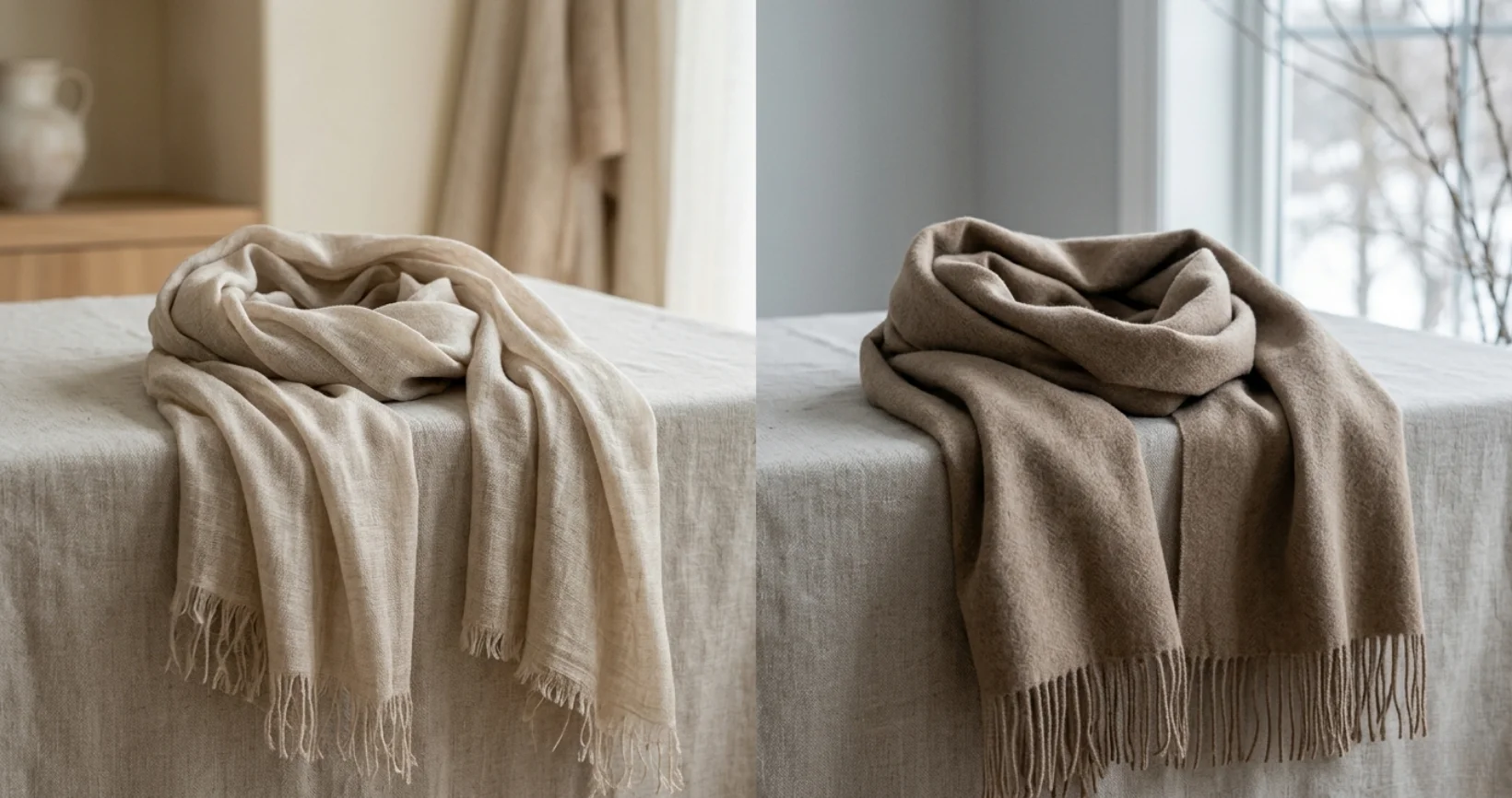
Key characteristics of woolen shawls include a thick and soft texture, strong heat retention, heavier weight compared to silk, and excellent durability for regular use. They are the warmest scarf material available in natural fiber form.
What Is a Silk Shawl?
A silk shawl is made from natural protein fiber produced by silkworms. The most prized variety is mulberry silk, where silkworms are fed exclusively on mulberry leaves. The result is a fiber that is exceptionally smooth, uniform, and lustrous.
Silk shawls are not designed for warmth. They are designed for elegance. The fabric drapes beautifully, catches light with a gentle sheen, and feels cool and smooth against the skin.
Key characteristics of silk shawls include a lightweight and fluid feel, a glossy and refined appearance, breathability in warm weather, and a skin-friendly surface that does not irritate. Silk clothes in general are prized for exactly these qualities. As a silk base layer for women, silk shawls work well in mild or warm conditions where comfort and style are the priority.
Woolen vs Silk Shawls: Quick Comparison
| Feature | Woolen Shawls | Silk Shawls |
|---|---|---|
| Warmth | High | Low to Moderate |
| Weight | Medium to Heavy | Lightweight |
| Texture | Soft, sometimes fuzzy | Smooth, glossy |
| Best Season | Winter | Summer or mild weather |
| Price Range | Moderate to High | High to Premium |
| Durability | High | Moderate |
| Styling | Casual and winter wear | Elegant and formal |
Key Differences Between Woolen and Silk Shawls
Warmth and Insulation
This is the most important difference for most buyers. Wool traps body heat and holds it close to the skin. On a cold morning, a woolen shawl feels like a warm hug. Silk does not do this. It is breathable and temperature-regulating, which means it works beautifully in mild or warm conditions but provides very little protection in genuine cold.
If warmth is your priority, choose wool. There is no debate here.
Fabric Feel and Texture
Wool has a soft but sometimes slightly textured feel. The degree of softness depends entirely on the fiber quality. Basic sheep wool can feel a little rough. Merino is noticeably softer. Cashmere and pashmina are the softest of all, feeling almost like a second skin.
Silk, by contrast, is uniformly smooth. There is no roughness at all. It glides against the skin rather than gripping it. For buyers who find any texture uncomfortable, silk is the natural choice.
Weight and Comfort
Wool is the heavier option. Not uncomfortably heavy, but you notice it on your shoulders. That weight often adds to the cozy, wrapped-up feeling that makes woolen shawls so popular in winter.
Silk is almost weightless. As a lightweight wrap, it adds almost nothing to your outfit in terms of bulk. That makes it ideal for travel, layering over delicate clothing, or wearing at events where you want coverage without bulk.
Seasonal Use
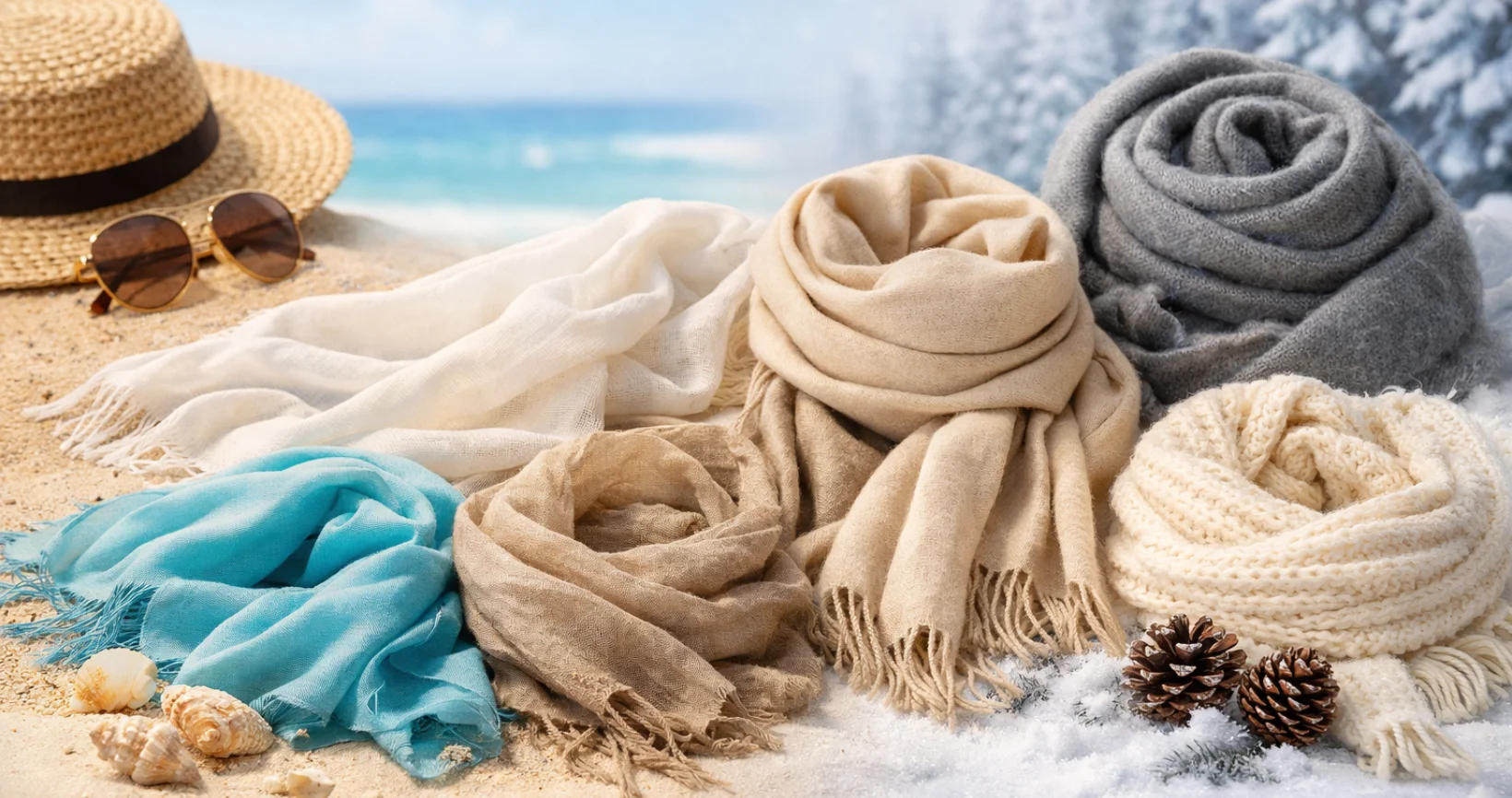
Wool belongs to winter. It is a cold-weather essential. Wearing a heavy woolen shawl in July is uncomfortable. Wearing one in January is exactly right.
Silk is more flexible. It works well in summer evenings, spring travel, air-conditioned offices, and formal occasions year-round. Think of silk as the shawl you take to a dinner party. Think of wool as the shawl you wrap around yourself on a cold morning commute.
Style and Appearance
Wool has a matte, textured, earthy quality. It looks warm and relaxed. It pairs naturally with winter coats, chunky knitwear, and boots.
Silk has a quiet shimmer. It looks refined and considered. It pairs beautifully with sarees, formal dresses, and occasion wear. The two fabrics communicate different things about the outfit they accompany.
Price Difference
Basic sheep wool shawls are among the more affordable options in the shawl category. As you move up to merino, prices rise. Cashmere and pashmina sit at the premium end.
Silk shawls are generally priced higher across the board. Mulberry silk in particular commands a significant premium because of the labour-intensive production process involved. Both cashmere and quality silk sit in the premium price bracket, but for different reasons.
Durability and Maintenance
Wool is more forgiving as a daily-use material. It is naturally resilient and bounces back from being folded or packed. The main issue with wool over time is pilling, where small fiber balls form on the surface. Higher quality wool pills less.
Silk is more delicate. It can snag, and it does not tolerate rough handling well. With proper care it lasts a long time, but it demands more attention than wool.
Which Shawl Is Better for Winter?
For genuine winter conditions, woolen shawls are the clear choice. They provide the insulation needed to stay warm. The best scarves for cold weather are made from wool, cashmere, or pashmina because these fibers are designed by nature to protect against cold.
Silk alone is not sufficient for cold winters. You might layer a silk shawl over a jacket at an evening event, but it will not keep you warm on a cold street. If warmth is the need, wool wins every time.
Which Shawl Is Better for Summer?
For summer, silk takes the lead. It is breathable and does not trap heat against the skin. As a summer scarf, a silk shawl adds elegance without making you feel overheated.
Silk shawls are also popular for travel in warm climates. They are compact, lightweight, and can double as a beach cover, a light layer in cold air conditioning, or a styling accessory for evening wear.
Wool vs Silk for Sensitive Skin
Silk is the safer option for sensitive skin. The smooth surface does not irritate and is naturally hypoallergenic. Many people with skin conditions or allergies find silk very comfortable.
Wool is more variable. Coarser wool can cause itching and irritation, especially against bare skin. However, fine wool like cashmere and merino is a different story entirely. These fibers are soft enough for even sensitive skin and rarely cause any discomfort. If you want wool but have sensitive skin, choose cashmere or merino rather than standard sheep wool.
Types of Woolen Shawls
Cashmere and Pashmina sit at the top of the woolen shawl category. Ultra-soft, lightweight yet warm, these are considered luxury products globally. Bright Star is a leading manufacturer of authentic pashmina shawls, producing handwoven and embroidered pieces for wholesale buyers worldwide.
Merino Wool is a step below cashmere in softness but still very fine. It has far less of the itchiness associated with standard wool and is popular for everyday winter wear.
Regular Wool is thicker, more textured, and more affordable. It is durable and practical. Good for casual everyday use in cold climates.
Types of Silk Shawls
Mulberry Silk is the highest quality silk available. It is produced from silkworms raised exclusively on mulberry leaves, resulting in a uniform, smooth, and lustrous fiber. These shawls are the most premium in the silk category.
Silk Blends combine silk with other fibers like cotton or viscose. They are more affordable and slightly less delicate than pure silk. A good option for buyers who want the silk look at a more accessible price point.
Printed Silk Shawls focus on design. The smooth surface of silk takes print extremely well, making it ideal for bold patterns, florals, and fashion-forward designs.
When Should You Choose Wool Over Silk?
Choose wool when you live in or are travelling to a cold climate, when warmth and insulation are your primary need, when you want a shawl for everyday winter use, or when you prefer a casual and cosy aesthetic over a formal one.
When Should You Choose Silk Over Wool?
Choose silk when you want a luxurious, polished look, when you need something lightweight for layering, when you are attending a formal event or occasion, or when the weather is warm and breathability matters more than insulation.
Styling Guide
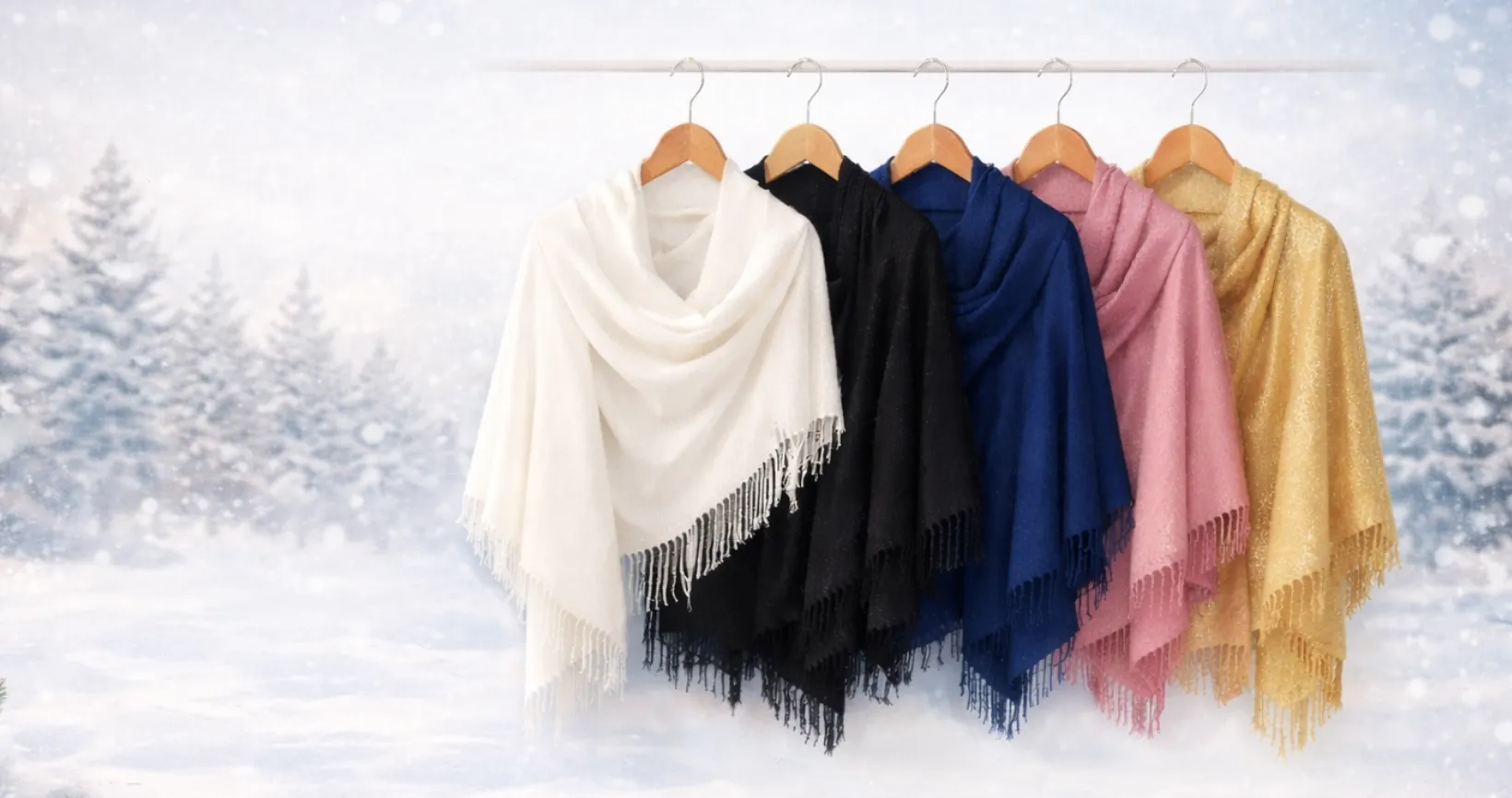
Woolen shawl styling works best with winter coats, cable-knit sweaters, turtlenecks, and ankle boots. The shawl adds warmth and a relaxed layered look. Neutral tones like camel, grey, and navy are perennial bestsellers.
Silk shawl styling complements sarees, formal dresses, blazers, and occasion wear. Draped loosely over the shoulders or folded as a neck scarf, a silk shawl elevates any outfit instantly. Bold prints and deep jewel tones work particularly well.
Care and Maintenance
Caring for woolen shawls: Hand wash in cool water with a gentle detergent, or dry clean for best results. Never wring or twist. Lay flat to dry. Store folded with cedar blocks or moth protection sachets to prevent insect damage.
Caring for silk shawls: Hand wash very gently in cool water, or dry clean. Never wring silk. Roll it in a towel to remove moisture. Iron on the lowest heat setting and always use a pressing cloth between the iron and the fabric. Store in a breathable cloth bag away from direct sunlight.
Common Buying Mistakes to Avoid
Choosing silk for an extreme winter trip is the most common mistake. Silk simply cannot provide the insulation needed. Buying low-quality wool blends labeled as cashmere is another. Always verify fiber authenticity before purchasing. Ignoring GSM and weave specifications when buying wholesale leads to inconsistent quality. And not requesting samples before bulk orders is a risk that experienced buyers never take.
Frequently Asked Questions
Is silk better than wool?
Neither is universally better. Silk is smoother, more elegant, and ideal for warm weather or formal occasions. Wool is warmer, more practical, and better suited for cold climates. The right choice depends entirely on your purpose. For warmth, wool wins. For style and breathability, silk is the stronger option.
Which shawl material is best?
It depends on your need. Pashmina and cashmere are considered the finest shawl materials globally, offering softness and warmth together. Silk is best for elegance and mild weather. Merino wool works well for everyday winter use. There is no single best material. The best one is the one that fits your purpose.
Which is better, Pashmina or silk?
Both are premium materials but serve different purposes. Pashmina is significantly warmer and ideal for cold weather. Silk is lighter, glossier, and better suited for formal occasions and mild climates. If you want warmth and softness, pashmina is the better choice. If you want elegance and drape, silk leads.
Is silk warm enough for winter?
Generally, no. Silk is breathable and temperature-regulating, which works well in mild or warm conditions. But in genuine cold weather, silk alone does not provide enough insulation. It can work as a light layer under heavier clothing. For real winter warmth, wool, cashmere, or pashmina are far more reliable choices.
Which fabric is most suitable for winter wear?
Wool, cashmere, and pashmina are the most suitable fabrics for winter. They trap body heat naturally and provide strong insulation against cold. Among these, cashmere and pashmina are the softest and lightest while still being very warm. For extreme cold, thicker wool or layered cashmere gives the best protection and comfort.
Why do rich people wear silk?
Silk has historically been associated with wealth because it is expensive to produce and difficult to source. The fiber comes from silkworms and requires intensive labour to harvest and weave. It feels luxurious against the skin, drapes beautifully, and carries a natural sheen that looks refined. That combination of rarity and elegance makes it a status fabric.
What are the 4 types of silk?
The four main types of silk are mulberry silk, the most common and finest quality; tussar silk, which has a natural golden tone and slightly coarser texture; eri silk, known for its warmth and matte finish; and muga silk, rare and naturally golden, produced mainly in Assam, India. Mulberry silk is the most widely used globally.
What is the cheap version of silk called?
The most common affordable alternative to silk is viscose, also called rayon. It mimics the smooth, shiny appearance of silk but is made from processed plant cellulose rather than natural fiber. It is significantly cheaper to produce. Other alternatives include polyester satin and nylon, both of which replicate the look of silk at a lower price point.
What is poor man’s silk called?
Rayon, or viscose, is widely referred to as poor man’s silk. It was developed specifically to replicate the look and feel of silk at a fraction of the cost. It drapes similarly and has a similar sheen. However, it is less durable, less breathable, and does not carry the same natural properties that genuine silk offers.
Do Indians wear silk?
Yes, silk holds deep cultural significance in India. It is worn at weddings, religious ceremonies, and festivals across the country. Kanjivaram silk sarees from Tamil Nadu and Banarasi silk from Uttar Pradesh are among the most prized textiles in Indian culture. India is also one of the world’s largest producers and exporters of silk fabric.
Conclusion
The difference between woolen and silk shawls comes down to one simple question: what do you need the shawl to do?
Wool delivers warmth, comfort, and practicality. Silk delivers elegance, lightness, and a refined finish. Neither is universally better. The right choice depends on your climate, your occasion, and your personal style.
For buyers sourcing wholesale shawls, Bright Star manufactures both premium woolen and silk shawls for international markets. Whether you need handcrafted pashmina, fine merino wool shawls, or elegant printed silk pieces in bulk, Bright Star offers the quality, customization, and export reliability that global buyers depend on.
Contact Bright Star today for wholesale inquiries and product samples.