Some fashion products sell hard for three months and sit idle for nine. Others move every single month, regardless of season, trend, or retail calendar. Those are called evergreen products, and for fashion boutiques and retail stores, they are the most reliable category to build inventory around.
This guide covers everything a retail buyer or boutique owner needs to know about evergreen fashion accessories. You will learn what separates a genuinely evergreen product from a seasonal bestseller, why accessories consistently outperform apparel on margin and sell-through, and which specific products scarves, shawls, stoles, and throws deliver year-round sales without markdown risk. You will also find practical guidance on merchandising the same accessories across all four seasons, and how to structure your wholesale sourcing strategy around products that earn their shelf space every month.
If you want a product mix that reduces inventory risk while keeping margins healthy, start here.
What Makes a Fashion Product Truly Evergreen?
The word “evergreen” gets thrown around loosely. So let’s be precise about what it actually means in a retail context.
An evergreen product is one with consistent consumer demand across all four seasons. It doesn’t depend on a single trend cycle to generate sales. It appeals broadly enough to reach multiple customer demographics. And crucially, it doesn’t require heavy discounting at the end of a season to clear stock.
Think of it this way. A heavy winter coat is a seasonal bestseller. It sells hard in October, November, December. Then it stops. You’re left with inventory you need to move at 30% off to clear the floor before spring. That’s not evergreen. That’s seasonal.
A classic silk scarf? Different story entirely. In winter, it’s a neck warmer. In spring, it’s a head scarf. In summer, it becomes a bag accessory or a light beach cover. In autumn, it layers under a jacket. The same product sells across four seasons without a markdown in sight.
That’s the definition. And once you see it clearly, you start to notice that most retail buyers dramatically underweight these products in their purchasing mix.
To answer the question directly: what are evergreen items to sell? They’re products with multi-season utility, broad demographic appeal, and a use case that doesn’t expire when the calendar turns. In fashion, that almost always means accessories.
Why Fashion Accessories Are the Most Reliable Evergreen Category
Not all evergreen products are created equal. Some categories have consistent demand but razor-thin margins. Others are evergreen but fragile to returns, sizing issues, or quality complaints.
Fashion accessories sidestep most of those problems. Here’s why they’re the most dependable evergreen category for retail buyers.
First, the price point. Accessories typically sit at a lower price threshold than apparel. That makes them an easier consumer decision. A customer who won’t spend £150 on a coat might happily spend £40 on a quality scarf. Impulse purchase territory. Lower friction, faster conversion.
Second, the margin. Fashion accessories carry higher retail margins than apparel at equivalent price points. A shawl that costs a retail buyer £12 wholesale can sell comfortably at £45 to £55 in a boutique environment. The margin on a pair of trousers at the same retail price is rarely as strong, once you account for fit issues, returns, and style risk.
Third, no sizing problem. A scarf doesn’t need to fit in the way a dress does. A throw doesn’t come in small, medium, and large. This single factor dramatically reduces returns, fit complaints, and the operational headache that comes with apparel. One product fits your entire customer base.
Finally, giftability. Accessories are among the most gifted product categories year-round. Not just at Christmas. Think birthdays, Mother’s Day, weddings, housewarmings, leaving gifts. Classic fashion accessories for retail are genuinely multi-occasion. That sustains demand even in months when footfall is traditionally soft.
For a boutique owner or retail buyer thinking about where to focus their evergreen stocking strategy, accessories aren’t just a good choice. They’re the obvious one.
Evergreen Fashion Accessories That Sell in Every Season
This is where it gets practical. These are the specific products that consistently deliver year-round sales for boutiques, fashion retailers, and independent stores.
Scarves
If there’s one product that earns the title of “most evergreen fashion accessory,” it’s the scarf.
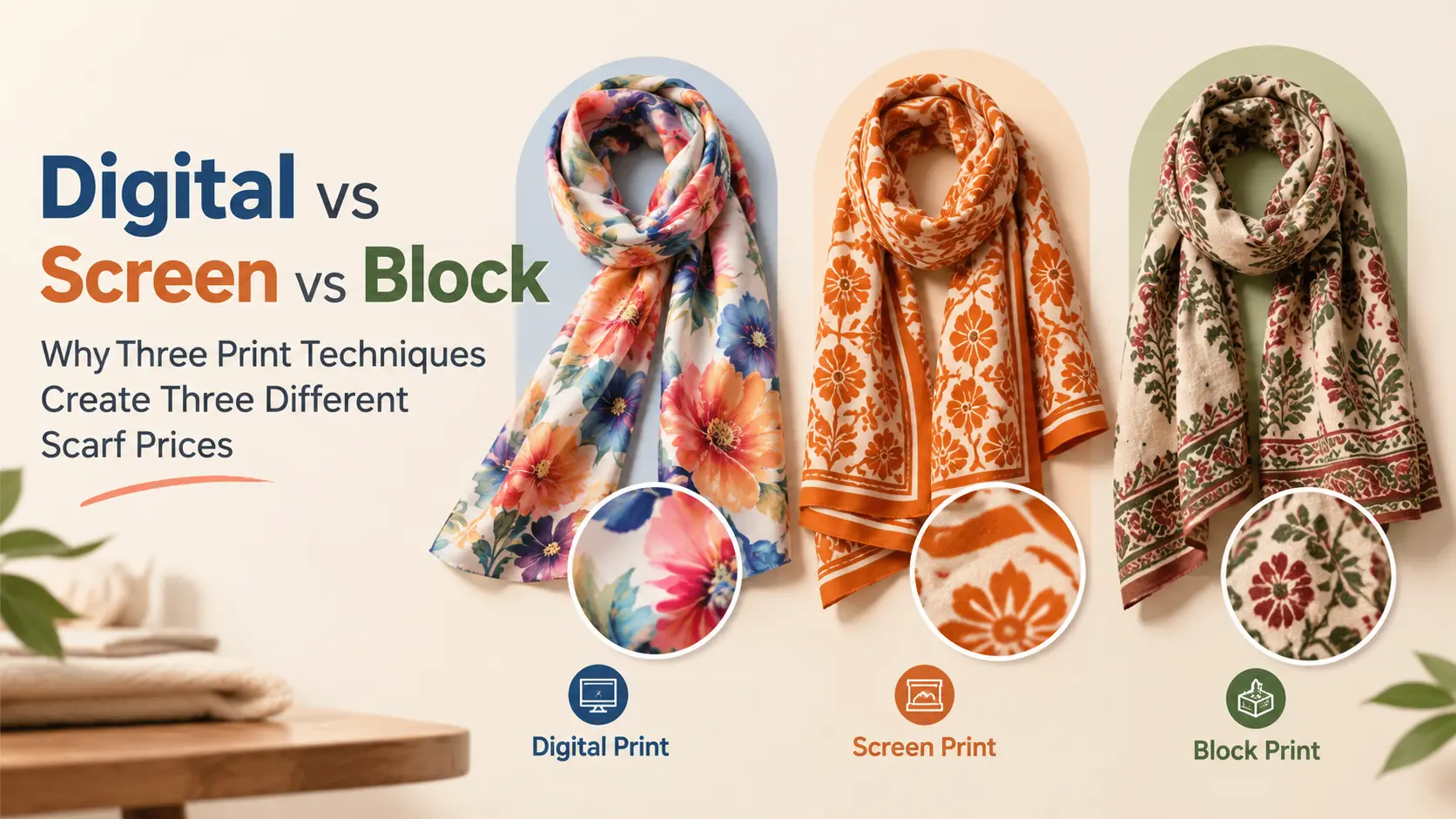
Scarves sell in every format, at every price point, across every season. A merino wool scarf sells through a cold winter without a discount. A lightweight printed cotton scarf moves in spring and summer as a styling accessory. A silk scarf is a gift that gets bought in February and September and December with equal frequency. Best selling scarves for fashion stores aren’t a trend. They’re a retail constant.
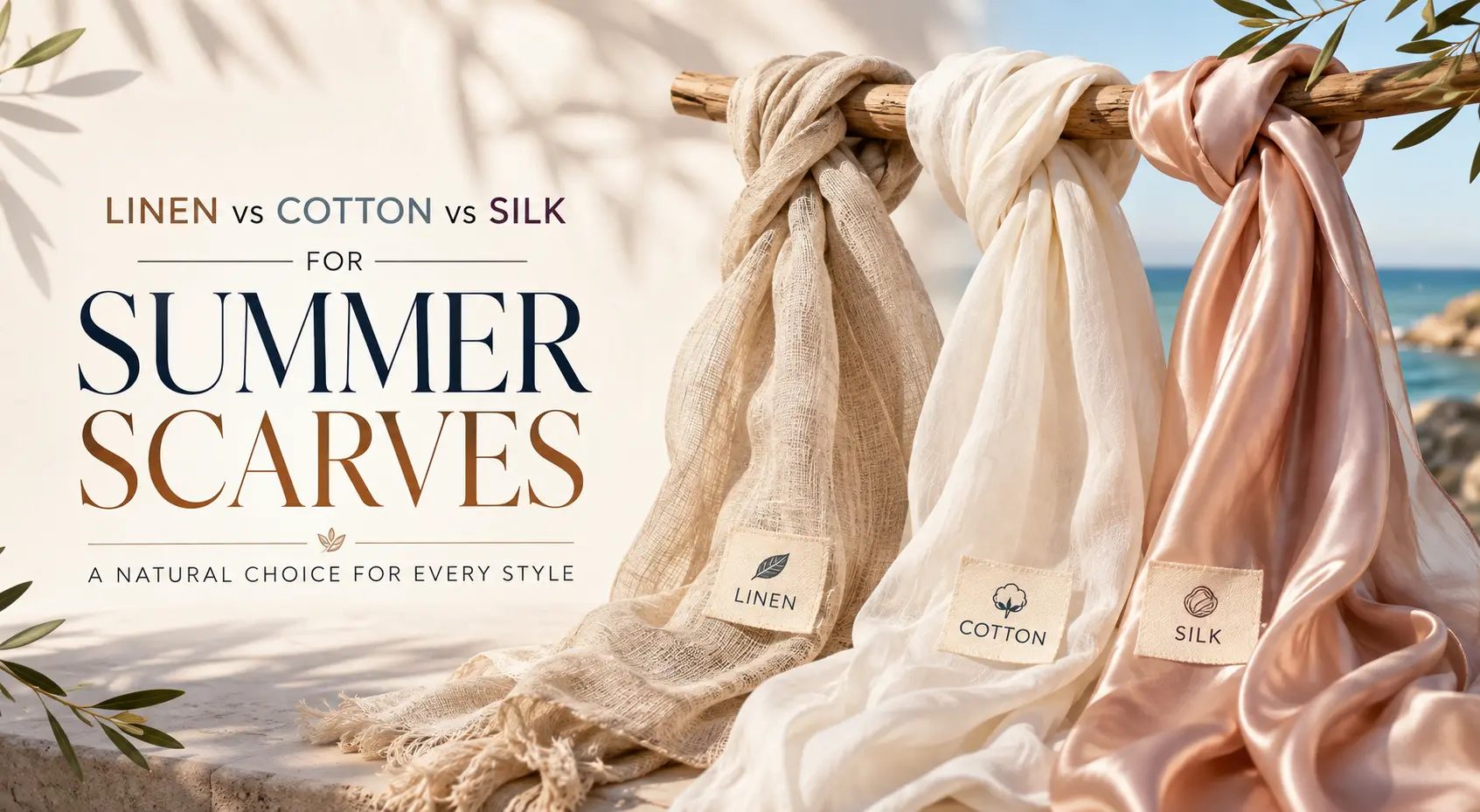
The material tier you stock matters. For premium boutiques, silk and fine wool perform best. For high street or mid-market retail, printed cotton and viscose blends offer strong margin with broad appeal. For transitional and winter selling, merino wool and cashmere blends deliver the kind of quality feel that justifies a higher retail price.
Scarves also have an unbeatable repeat purchase dynamic. A customer who buys one scarf and loves it comes back for more. In a different colour. As a gift. As a seasonal update to their wardrobe. The category builds its own loyal retail audience over time.
Shawls and Wraps
Shawls and wraps have a quiet consistency that retail buyers who’ve stocked them for a few seasons come to rely on heavily.
The year-round use case is broad. In summer, a lightweight shawl is the perfect cover-up for an air-conditioned restaurant or an evening out. In winter, it layers over knitwear for warmth without bulk. For travel, it doubles as a blanket on a long flight. That kind of versatility means shawls and stoles for boutiques sell in January and in July without needing a seasonal push.
One-size eliminates returns. High gifting potential sustains demand outside of peak apparel months. And the wholesale material mix is flexible: lightweight cotton or linen blends for spring/summer, wool and cashmere blends for autumn/winter. A well-curated shawl range can serve your entire customer base year-round from a small selection of materials and colours.
Stoles
Stoles occupy a specific and valuable niche in the accessories market. They’re dressier than a scarf but easier to wear than a full shawl. That positions them perfectly for occasion wear.
Think about the demand cycle. Wedding guest season runs from May to October. Black tie events and formal dining happen throughout the year. Corporate gifting peaks in November and December. Stoles appear as the natural accessory solution for every single one of those occasions. They create their own demand spikes outside of regular seasonal cycles.
For boutiques targeting the occasion wear or gifting customer, stoles are a reliable staple that earns its shelf space every month of the year. Premium finishes, quality drape, and elegant styling at the right price point make them a consistently strong performer with strong margin potential.
Throws and Blanket Scarves
Throws have done something unusual in fashion retail over the past few years. They’ve crossed the line between home furnishing and fashion accessory. And that crossing created a genuinely year-round product.
Today, a quality throw isn’t just something that lives on a sofa. It’s a travel blanket. An outdoor picnic wrap. A beach layer. A sofa accessory that doubles as a fashion statement. That shift in consumer behaviour means throws and blanket scarves now sell with genuine demand in spring and summer, not just in Q4.
That said, Q4 remains the peak. Throws are one of the strongest gifting products in the winter season, particularly in wool and cashmere blends. Stocking them year-round and merchandising them seasonally (more on that below) means you capture both the gifting spike and the quieter but real year-round demand.
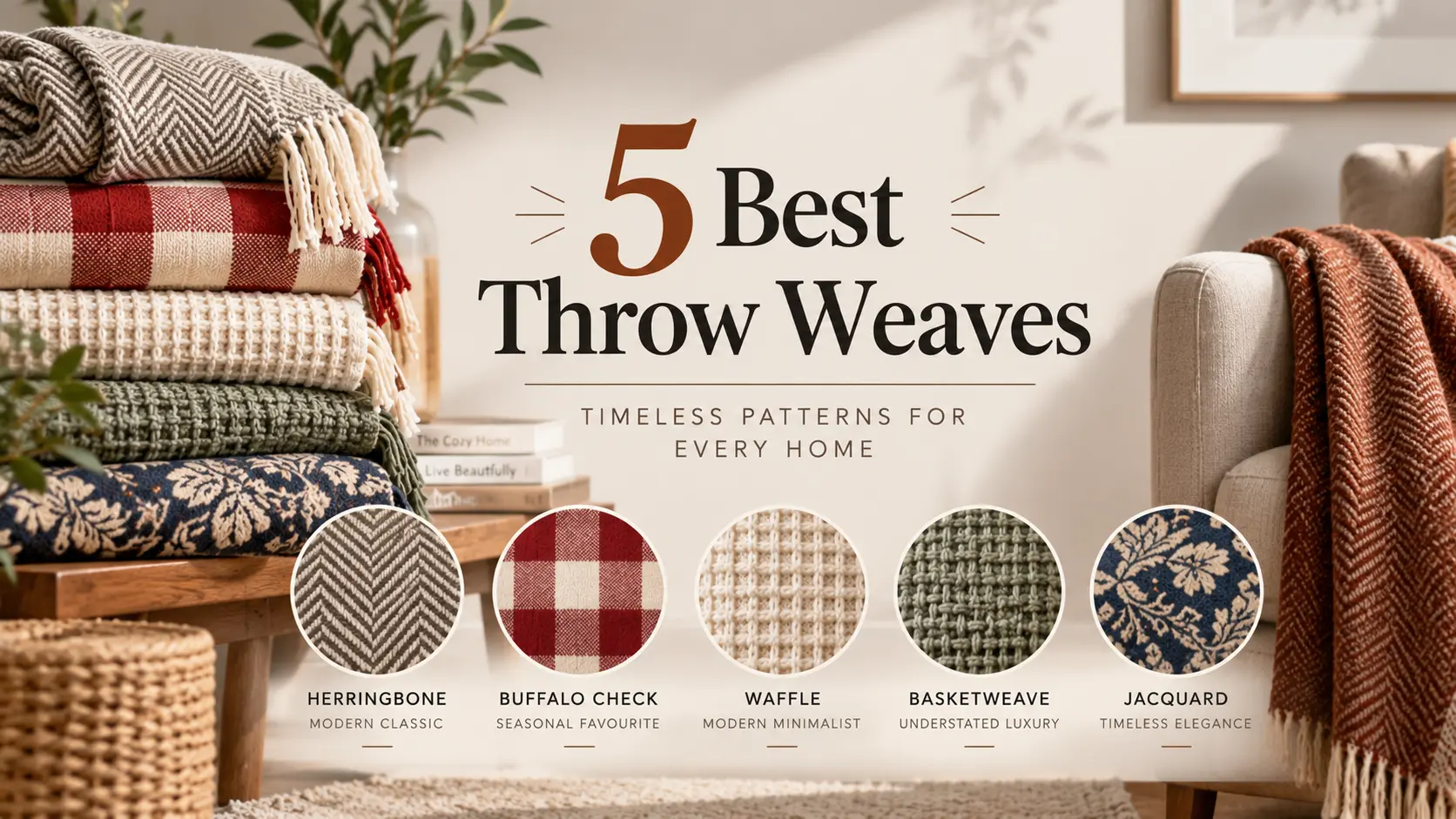
For wholesale buyers, the material range to stock is: wool for premium winter selling, cotton and cotton-blend for spring/summer, and cashmere blend for luxury retail formats.
How to Merchandise Evergreen Accessories Across Seasons
The common mistake with evergreen products is treating them as static. You stock them, you display them, and you wait. That’s leaving money on the table.
Evergreen doesn’t mean invisible. The products stay the same. The way you merchandise them changes every season. Done well, it makes the same product feel fresh and relevant every time a customer walks in.
The simplest lever is colour story updates. Your scarf range might stay structurally the same through the year, but the colours you bring forward in your display change with the season. Pastels and prints in spring. Brights and lightweight textures in summer. Rich autumnal tones in September. Deep jewel colours and classic neutrals for gifting season. Same product. New story.
Occasion-led display changes are equally powerful. In November and December, merchandise your shawls and stoles as gifting products. Use display props that signal “gift” (tissue paper, boxes, gift sets). In June and July, shift the same products into a travel display. A rolled scarf next to a travel pouch looks like a summer essential, not a winter leftover.
Cross-merchandising is underused by most boutiques. Your accessories should never live in isolation. A silk scarf displayed alongside a summer dress creates a styling suggestion that increases average transaction value. A shawl styled over a winter coat display makes the coat feel more complete. The accessory completes the look. Let your display show that.
For gifting season, bundle strategies work well. Scarf and stole sets. A shawl with a coordinating clutch. A small branded box that turns a single accessory into a gift-ready product. Bundles increase transaction value and reduce the friction of the gifting decision for the customer.
Building a Wholesale Sourcing Strategy Around Evergreen Products
For boutique buyers and retail chains, the evergreen case isn’t just about which products to stock. It’s about how to structure your sourcing around them.
A practical starting point: aim for 50-60% of your accessories inventory to be evergreen products. The remainder can be trend-led or seasonal. That ratio gives you a stable base of consistent-selling stock while leaving room for seasonal excitement and trend-driven purchases. Many experienced buyers start lower and move that percentage up as they see how evergreen products perform over time.
When evaluating a wholesale supplier’s evergreen range, look for range depth and colour consistency. A supplier who offers your core scarf styles in 8-10 colourways and can reorder them reliably across seasons is more valuable than one with a wide but inconsistent range. Reorder flexibility is critical. If a colourway sells out in November, you need to restock it before December. Ask suppliers directly about lead times and minimum reorder quantities for their core ranges.
MOQ (minimum order quantity) matters differently for evergreen products than for trend items. On a seasonal trend piece, you might accept a higher MOQ because you’re betting on a short sales window. For an evergreen product, you want lower MOQs with flexible reorder terms. That lets you test new colourways and styles without overcommitting inventory.
The margin and inventory risk calculation for evergreen products is fundamentally different from trend-led stock. You’re not buying based on a hunch about what will be popular this autumn. You’re buying a product with a demonstrated demand curve, a known sell-through rate, and zero markdown risk at the end of the season. That reliability has real financial value. Factor it into your purchasing decisions.
For boutiques and fashion retailers sourcing year-round fashion accessories wholesale, the goal is a supplier relationship built around consistent supply, not just seasonal drops. A manufacturer with deep expertise in scarves, shawls, stoles, and throws, with strong range depth and reliable reorder capability, is the right foundation for an evergreen sourcing strategy.
FAQs
What are evergreen items to sell?
Evergreen items are products with consistent consumer demand throughout the year, not limited to a single season or trend cycle. In fashion retail, the strongest evergreen items are accessories, particularly scarves, shawls, stoles, throws, and jewellery, because they combine year-round utility with broad demographic appeal and strong gifting potential.
What is an evergreen product?
An evergreen product is one that sells consistently across all seasons without relying on a trend cycle or seasonal demand spike to generate revenue. Unlike seasonal bestsellers, evergreen products don’t require end-of-season markdowns to clear stock because consumer demand remains relatively stable throughout the year.
What are the two main merchandise categories used by fashion retailers?
Fashion retailers typically split their merchandise into apparel (clothing) and accessories. Apparel covers garments like tops, trousers, dresses, and outerwear. Accessories cover items like scarves, shawls, bags, jewellery, and footwear. Accessories are generally considered the more reliable evergreen category due to their higher margins, lower return rates, and year-round gifting potential.
What sells very quickly?
In fashion retail, accessories at accessible price points tend to move fastest, particularly scarves, jewellery, and small leather goods. They combine impulse-purchase pricing with broad appeal and strong gifting demand. Among wholesale textile accessories, classic scarves and lightweight shawls in seasonal colourways typically show the fastest sell-through rates.
What are the 7 keys of selling?
The commonly cited principles are: understanding your customer, communicating product value clearly, building trust, listening more than you speak, addressing objections honestly, creating urgency without pressure, and following up consistently. In a wholesale context, understanding the buyer’s inventory risk and margin requirements is particularly critical.
What is the most profitable product to sell?
Profitability depends on margin, sell-through rate, and return rate combined. In fashion wholesale and retail, accessories consistently rank among the highest-margin categories. Scarves, shawls, and stoles in premium materials can achieve retail margins of 60-70% for boutiques while maintaining strong year-round sell-through, making them among the most profitable categories for fashion retailers to stock.
What is the 3 3 3 rule in sales?
The 3 3 3 rule is a sales follow-up framework: contact a prospect three times, across three different channels, over a three-week period before moving on. It’s used in B2B outreach to balance persistence with respect for the buyer’s time, particularly relevant for wholesale sales teams reaching out to retail buyers.
What are the 4 main types of business?
The four main types are sole trader, partnership, limited company, and corporation. In the fashion accessories supply chain, you’ll encounter all four: independent boutique owners operating as sole traders, family-run retail partnerships, mid-size retail chains as limited companies, and large wholesale manufacturers or retail corporations.
Conclusion
Evergreen fashion accessories like scarves, shawls, stoles, and throws are among the most reliable and margin-friendly products a boutique or retail store can stock. They deliver consistent sales across every season without the markdown risk that trend-led inventory always carries. Building a wholesale sourcing strategy around these categories isn’t complicated. It’s one of the most straightforward ways to improve your retail stock performance year-round.
If you’re looking to stock a reliable range of evergreen fashion accessories for your store or boutique, get in touch with Bright Star to discuss wholesale requirements across our scarves, shawls, stoles, and throws ranges.